
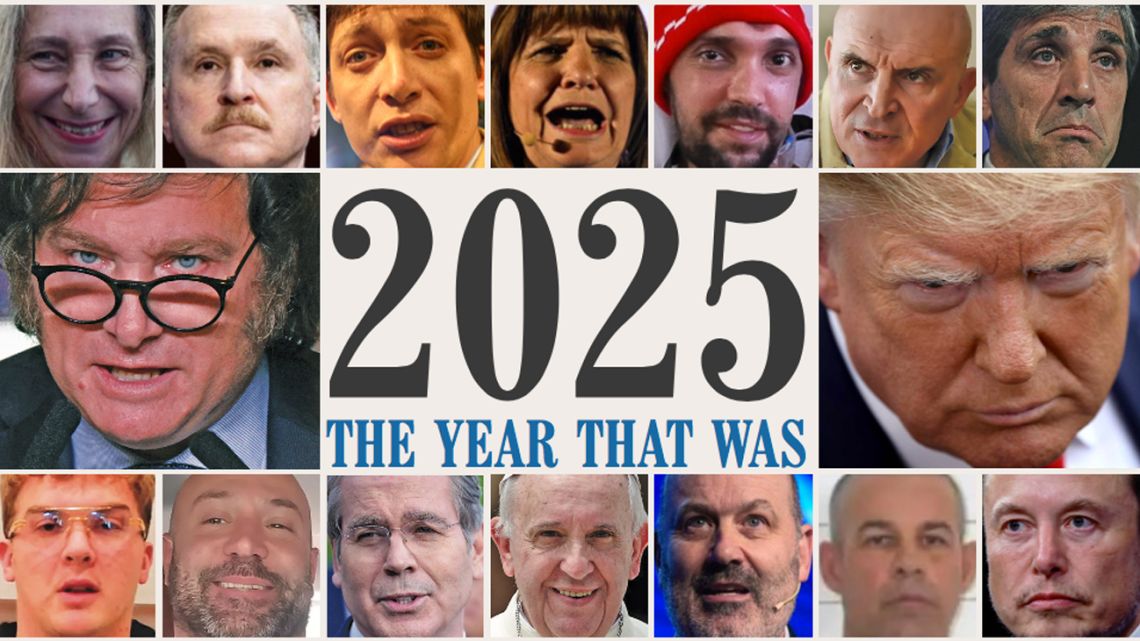
Below follows this newspaper’s ninth annual review (and the fifth year dominated by elections towards its end), based entirely on Buenos Aires Times content. Without any further ado, here goes:
JANUARY
WEEK 1. The year starts on a sad note with the passing of two greats who just failed to make it into 2025 – the nation mourns iconic journalist Jorge Lanata, who lost a long battle against illness at the age of 64, and a wider world the centenarian Jimmy Carter, president of the United States during much of the 1976-1983 military dictatorship here, which he nobly confronted. Furthermore, two more famous names of Argentine birth end their days abroad – actress Olivia Hussey (aged 73) in Hollywood and crooner Leo Dan (82) on New Year’s Day in Miami. An electoral year begins with President Javier Milei still deciding whether polarisation or fragmentation of the opposition is his best bet and a peso appreciation sending several million Argentines to holiday abroad already beginning, together with a budget rollover for the second year running. Milei’s libertarians are already at loggerheads with PRO Mayor Jorge Macri’s City Hall in order to cannibalise everything right of centre. On J2 the Foreign Ministry denounces Venezuela to the International Criminal Court in The Hague for the “arbitrary arrest” of Border Guard corporal Nahuel Gallo on charges of “terrorism” while federal judge and Supreme Court nominee Ariel Lijo rules the extradition of another Latin American dictator, Nicaragua’s Daniel Ortega, for human rights violations in the name of universal justice. Supreme Court nominations become that much more urgent with justice Juan Carlos Maqueda reaching the statutory retirement age of 75 just before the New Year, reducing the top tribunal to three. A couple more officials bite the dust – Tourism Undersecretary Yanina Martínez (one of the few remaining holdovers from the Frente de Todos administration) is dumped for vacationing in Europe despite a presidential ban on holidays abroad, ignored by Security Minister Patricia Bullrich sticking to plans to take her grandsons to Disneyworld. Meanwhile Buenos Aires Province Transport Minister Jorge d’Onofrio (close to the 2023 Peronist presidential candidate Sergio Massa) finally resigns after several weeks under pressure over a scheme whereby traffic offenders can dodge fines via manipulation of court verdicts in exchange for kickbacks. At the turn of the year the 20th anniversary of the Cromañón rock club blaze, Argentina’s most lethal disaster leaving 194 dead, is marked.
W2. President Milei declares 2025 the “Year of the Reconstruction of the Argentine Nation” and ups tension with Vice-President Victoria Villarruel, complaining of her “unforced errors.” A major foreign debt repayment of US$4.34 billion on 2020 bonds but the chain of payments problems of the solid Grobos agribusiness indicates that the balance of payments is increasingly out of whack due to an overvalued currency making for cheaper imports at the expense of local industry while discouraging exports, thus making the economy ever less competitive. The RIGI major investment incentive scheme kicks off with a pledge of US$211 million (barely above the mínimum) to a Mendoza solar energy plant while there is also a maiden privatisation in the same province with the state shares in the steel company IMPSA SA put up for sale. The infanticide trial of the potassium poisoning of five newborn babies at Córdoba’s maternity hospital begins. But in general a relatively quiet summer holiday week as the country looks forward to a year of growth rebounding from the 2024 contraction due to “chainsaw” austerity with the World Bank forecasting five percent.

W3. An official figure of 117.8 percent for 2024 inflation is given by INDEC statistics bureau on J14, almost halving the 211.4 percent of the previous year, which closed on 2.7 percent for December (a percentage which does not stop Milei from halving crawling peg devaluation to one percent as from February). The government summons Congress for extraordinary sessions between J20 and February 21 with Supreme Court nominations and the elimination of PASO primaries as a useless cost as the top priorities. The first International Monetary Fund (IMF) report of the year is favourable while warning of low Central Bank reserves, peso appreciation and the need to lift the ‘cepo’ currency and capital controls. Economy Minister Luis Caputo relaxes anti-dumping regulations to ease imports. Another Mendoza solar park gives RIGI its second investment while the privatisation of private highways is announced. Tres de Febrero Mayor Diego Valenzuela defects from centre-right PRO to La Libertad Avanza on J16. Bullrich defends her anti-picket protocols against the critiques of Amnesty International and others, calling them “progressive cry-babies who understand nothing.” At the end of the week Milei heads to Washington for Donald Trump’s inauguration while the 10th anniversary of AMIA special prosecutor Alberto Nisman’s bafflingly mysterious death is marked and played up by the ardently pro-Israel Milei Presidency.
W4. Hurricane Donald – the week begins with the Republican’s inauguration when Trump declares a MAGAlomaniac tariff war on the rest of the world (soon followed by talk of annexing Canada, Greenland and the Panama Canal), at all odds with the free-trade principles of his Washington guest Milei in the process of opening up Argentina. In contrast to Milei, Trump is fiscally as well as politically incorrect. Then onto the World Economic Forum in Davos where Milei’s J23 speech wastes a precious opportunity to woo overseas investors deploying billions or even trillions of dollars by preaching to the converted about the global hazards faced by a capitalism triumphant even in China, followed by an all-out onslaught against “the cancer of woke ideology” (perhaps Milei’s main overlap with a protectionist Trump) identifying it as an excuse to advance the state, while accusing at least some of his audience of complicity although he does plug Argentina as “a global example of fiscal responsibility” (indeed bringing macro-economic stability but also making many Argentines feel priced out of their own country). Milei might imagine he is riding a global Zeitgeist after Trump’s inauguration but the attack on woke is also wasted on a domestic audience more inclined to define it as a Chinese stir-fry. After repeated pressure from farming lobbies, Economy Minister Caputo announces a reduction of grain export duties until midyear (from 33 to 26 percent for soy and from 12 to 9.5 percent for wheat, maize and barley) along with the elimination of export duties for regional economies – the cuts only accruing to those cashing in 95 percent of their crops within the following fortnight shows that the underlying motive is a government urgency to pump dollars out of farmers. Mapuche militant leader Facundo Jones Huala is again arrested amid suspicions that forest fires in Chubut are the work of his following. The Human Capital Ministry releases a report placing poverty in the first half of 2024 at 61 percent, the highest figure yet.
W5. A week in which both Barra and Marra are shown the door – respectively former Supreme Court justice Rodolfo Barra, 77, recycled as Milei’s Treasury Attorney and 2023 City libertarian mayoral candidate Ramiro Marra. Barra is bumped for siding with a Justice Ministry employee suing the state for a pay bonus and for spending too much time abroad – he is replaced by administrative law expert Santiago María Castro Videla, member of a law office which has been a witness for the prosecution in Burford Capital hedge fund’s US$16.1-billion lawsuit against Argentina over the 2012 nationalisation of YPF. Marra is expelled from the La Libertad Avanza (LLA) City Legislature caucus for voting in favour of Mayor Jorge Macri’s budget instead of falling in line with presidential chief-of-staff Karina Milei’s strategy of cannibalising right field by attacking the PRO City Hall. Backlash from the LGBTQ + collective in the form of an “anti-fascist march” against Milei’s anti-woke speech at Davos, which included equating homosexuality with paedophilia. Federico Sturzenegger’s Deregulation & State Transformation Ministry quantifies the chainsaw at 37,595 less public employees in the course of 2024, saving the state over US$4 billion. The Defence Ministry cashiers 23 retired military officers after their sentences for crimes against humanity are upheld in court but the portfolio headed by Luis Petri is at pains to stress that they are only following court orders against their will. The International Monetary Fund (IMF) calls for giving the accumulation of Central Bank reserves priority over currency appreciation and for positive interest rates when much of the government’s electoral trump card of decelerating inflation has been achieved by pegging both devaluation and interest rates behind the cost of living figure instead of having these two variables chase inflation.
FEBRUARY
W6. Milei decides to quit the World Health Organisation, following in Trump’s footsteps just a fortnight later, blasting its “Stone Age lockdowns” during the coronavirus pandemic. The Chamber of Deputies approves the suspension of this year’s PASO primaries by a 162-55 vote with 28 abstentions, thus saving the country some US$200 million according to presidential spokesman Manuel Adorni – a taboo on changing electoral rules in an election year is thus defied. Milei announces that the cepo currency and capital controls will be lifted on the New Year’s Day of 2026 while the Central Bank starts the month by halving the crawling peg monthly devaluation from two to one percent, also reducing annual interest rates from 32 to 26 percent. Gender violence and state insurance fraud cases see ex-president Alberto Fernández in court in the first week of the judicial year. Security Minister Bullrich is rebranded as National Security Minister but the song remains the same. The summer holidays continue to see thousands of Argentines spilling over frontiers to snap up half-price garments and electronics abroad. After 15 months at the heart of government strategy, star spin doctor Santiago Caputo finally becomes a card-carrying member of La Libertad Avanza.
W7. Milei flies into his first black swan right at the end of the week in a post-modern version of Saint Valentine’s Day Massacre with a multi-billion bubble bursting in his face when he plugs the ‘$LIBRA’ crypto-currency on his social media (with some 14 million followers), sending the token’s value up to a stratospheric US$4.5 billion only for its creators headed by the Texan Hayden Davis to pull the rug and Milei to withdraw his support (within minutes or even seconds of each other, thus making it difficult to say which came first), thus causing a bonanza for a few and ruinous losses for many even if there is no law guaranteeing speculative gamblers (who hardly come from the most vulnerable sectors of society) a gain, as Milei’s caveat emptor logic points out – although if a casino, why endorse it? INDEC gives the year’s first inflation figure – 2.2 percent for January with annual inflation retreating into double digits at 84.5 percent for the first time since mid-2020 (when pandemic slowdown was synonymous with lockdown). Trump rules out any exemption for Argentina from the 25 percent tariff slapped on all steel and aluminium imports into the United States, thus jeopardising some US$600 million worth of exports. The week starts with a mini-purge (an imitation of Trump’s trademark “You’re fired”?) – Sonia Cavallo is dumped as Ambassador to the Organisation of American States (OAS) explicitly because President Milei considers her father (former economy minister and convertibility czar Domingo Cavallo) “impresentable” for questioning his monetary policies as overvaluing the currency, while ANSES social security administration chief Mariano de los Heros is shown the door rather more quietly for floating a pension reform plan including a higher retirement age which Milei feels obliged to deny – he is replaced by Fernando Bearzi. Later in the week (F13) Environment Undersecretary Ana Lamas walks out in sheer exasperation over the zero interest of a government shunning all international conclaves in the area. La Libertad Avanza but with zero tolerance for dissent. Congress approves the ‘Ficha Limpia’ bill barring those with corruption convictions from political candidacies by a 144-98 vote (only the left sides with Kirchnerism). The tender for dredging and modernising the Hidrovía waterway transporting some 80 percent of Argentine grain exports comes to a standstill continuing to this day when the 11 companies originally in the running are whittled down to one Belgian offer. The Housing Department (a full-fledged ministry in the previous Frente de Todos administration) is dissolved by Decree 70/2025 decentralising housing policies to provincial and municipal governments and to the private sector. “Pseudo-Mapuche arson” is again blamed for Patagonian forest fires, this time by ministers Bullrich and Petri, with the former branding RAM (Resistencia Ancestral Mapuche) as a terrorist organisation.
W8. The aftermath of ‘Cryptogate’ dominates the week with the Kirchnerite opposition calling for Milei’s impeachment and 100 charges of fraud lodged in courts. Milei’s self-criticism does not go beyond admitting the need for more filters on access to the presidency (enjoyed by Davis et al) but the scandal devalues the presidential word at a time when the currency is being appreciated. Presidents should not be influencers, even on their own time, and there is something very strange about a head of state recommending anything other than his country’s own currency, even if $LIBRA coincides with his Zodiac sign. A trained economist should know that crypto is an extremely dodgy universe where angels fear to tread (Economy Minister Caputo claims that it mystifies him “even if explained to me a million times”) and check facts – faced with the choice of being a crook or a fool, Milei prefers the latter, pleading ignorance before flying to the United States to meet up with an Elon Musk wielding a chainsaw. Initial opinion polls show the impact to be a double-digit switch from the middle ground to negative opinions of Milei while presidential support remains almost intact but the libertarian lion’s long honeymoon is finally over. The Senate votes for the suspension of PASO. Ex-president Alberto Fernández is sent to trial for causing grievous bodily harm to former first lady Fabiola Yáñez. Banco Nación is transformed by decree into a limited company even though its privatisation had been rejected by Congress the previous year – COVIARA state company for naval housing is also privatised. Fernando Brom replaces Lamas as the new environment chief, despite prior criticism of government indifference to forest fires.
W9. President Milei decrees his nominees Ariel Lijo and Manuel García-Mansilla into the Supreme Court but only the latter swears in since Lijo finds his current federal judge’s bench less precarious, requesting leave first – the government justifies the move on “all instances being exhausted” after almost a year of Senate inaction although seeking a distraction from ‘Cryptogate’ is also suspected. These appointments “in commission” run until the next parliamentary year in theory. Milei uses a similar excuse of Senate inaction to appoint Alejandro ‘Alec’ Oxenford his new ambassador to the United States. A general outcry of criticism from all opposition parties predictably arises. Spain’s Telefónica sells its Argentine subsidiary to Telecom, controlled by Grupo Clarín, for US$1.25 billion but the move faces a monopoly probe. INDEC quantifies Argentina’s 2024 economic contraction at 1.8 percent, less than half the expectations in much of that year amid austerity, while most growth forecasts for the year ahead top five percent. Milei has the Casa Rosada photo of Ukrainian President Volodymyr Zelenskyy taken down, trying to fall into line with Trump’s sudden lurch towards Vladimir Putin with his own abrupt U(kraine)-turn. La Plata federal judge Alejo Ramos Padilla suspends the decree making Banco Nación a limited Company, insisting this can only come from Congress, while the Hidrovía tender is officially quashed (F24). Teachers strike on the first day of the week. Former Buenos Aires City mayor Horacio Rodríguez Larreta announces his return to politics for this year’s midterms without clarifying whether he will be running for a national or municipal seat and without defining a label. Leonardo Cositorto, the author of the ‘Generación Zoë’ Ponzi scheme, is sentenced by a Corrientes court to 12 years in prison for fraud with further trials due in other provinces.
MARCH
W10. President Javier Milei starts the month with a state-of-the-nation speech to inaugurate a half-empty Congress on a Saturday evening – almost as if he did not want anybody to hear it although, with the economy growing and his approval ratings high, it is more a case of not needing any booster rather than trying to hide anything. The 72-minute speech is dominated by a list of the previous year’s economic achievements rather than charting any roadmap for the year ahead – the scant legislation announced (stiffer immigration laws and a bill to lower the age of criminal responsibility) is more penal than economic, also rebuking a “woke” Buenos Aires Province Governor Axel Kicillof for being soft on crime, although Milei does pledge to send the upcoming IMF agreement (taking its time) to Congress for approval. The only oblique reference to ‘Cryptogate’ is to say that some speak of fraud when Kirchnerism robbed US$110 billion from Central Bank reserves. Santiago Caputo afterwards menacingly browbeats Union Civica Radical (UCR) deputy Facundo Manes for heckling the speech, distracting attention from it. The Supreme Court rejects Lijo’s request for leave, thus giving him cold feet about any temporary entry into the top tribunal. City Mayor Jorge Macri stages a pre-electoral Cabinet shuffle with his Security Minister Waldo Wolff replaced by former Metropolitan Police chief Horacio Giménez (71) while Hernán Lombardi is the new Economic Development minister replacing Roberto García Moritán among other changes, behind which the Mayor’s cousin Mauricio is seen as the key figure. Mayor Macri also announces the future “F” Barracas-Palermo subway line. Power cuts hit over million people as the heat index reaches 47 degrees while prayers are already starting for an ailing Pope Francis battling pneumonia. The Agroexpo farm exhibition in San Nicolás is a success. A week starting with the state-of-the-nation speech ends with a downpour of almost 300 millimetres (12 inches) in a single Friday morning (M7) on the port city of Bahía Blanca with at least 18 deaths, many more missing and hundreds homeless – the fatalities ranged in age from babies to a retirement home inmate of 101. Kicillof rushes to the spot on the day and ministers Bullrich and Petri the following day, both booed by local citizens.
W11. Milei travels to Bahía Blanca five days after the tragedy (also booed), adding 184 billion pesos to the initial relief funds of 10 billion pesos but the stricken port’s Peronist City Hall estimates the costs of reconstruction as at least twice that. The first relief train with supplies donated by churches, clubs and NGOs heads south on the Monday night while Pope Francis deplores the disaster from his Vatican hospital bed. The tragedy poses a huge question-mark over Milei’s premise that sacrificing public works is not too high a price to pay for a balanced budget – the colossal sums purloined by Kirchnerism from fraudulent Santa Cruz highway allocations does not mean that roads should not be built (with the Agroexpo farmers complaining about February rains turning dirt tracks into impassable mud as well as about the government’s inexplicable indolence with the Hidrovía waterway tender). Development is the victim. The midweek pension protests held outside Congress throughout the year are often the scene of violent confrontations with the security force deployment and police brutality but none more so than in this week with press photographer Pablo Grillo suffering almost fatal head injuries from a tear gas canister and over 150 demonstrators arrested – the underlying problems of a pension system for which only 40 percent of its beneficiaries have paid amid growing informal employment run much deeper. Also tense within Congress that day where the Kirchnerite drive to impeach Milei over the cryptocurrency scandal leads to yells and bizarre infighting among libertarian deputies with a glass of water tossed. Congress deputies also start asking why one Laura Arrieta flying in from a CPAC (Conservative Political Action Conference) event in Miami was allowed to skip Customs control with a dozen or more suitcases. President Milei formally applies for a new Extended Fund Facility (EFF) programme with the IMF. City Hall posts local February inflation as down to 2.1 percent. The (mis)trial of the health professionals charged with criminal negligence in the 2020 death of football idol Diego Maradona begins with the prosecution showing shocking photographs of his bloated corpse. The government video marking International Women’s Day is anything but feminist, blaming the previous Frente de Todos government for wasting four trillion pesos annually on gender policies.
W12. Congress in midweek approves Milei’s DNU emergency decree seeking an EFF programme with the IMF by a 129-108 vote, despite only being given the barest information about it. On the same day the registrations of electoral alliances for the Federal Capital’s May 18 midterms closes with City Hall making a lonely trip to the ballot-boxes, lacking libertarian or Radical support or even Mayor Macri’s predecessor Rodríguez Larreta on the grounds that the city “smells of piss.” Milei makes a U-turn on his U-turn by holding a friendly telephone chat with his Ukrainian colleague Zelenskyy. Kicillof sets a July 13 date for PASO primaries while at the same time seeking to suspend them as well as separate the provincial and national midterms. Comic actor Antonio Gasalla of Esperando la carroza fame dies at the age of 84 (M18).
W13. Economy Minister Caputo gives US$20 billion as the magic number for the upcoming deal with the IMF, which does not go beyond describing the negotiations as “advanced” – Caputo says the agreement will pump Central Bank reserves up to US$50 billion and double the money supply but gives few other details (reasonable enough if they are still being negotiated). Speculation as to the conditions of the deal inevitably triggers a certain market volatility, also fed by doubts as to the sustainability of a one percent monthly devaluation with inflation roughly double. The resulting strong currency encourages increasingly freed imports at the expense of the trade surplus while the summer’s massive tourist exodus hits the balance of payments. A presidential zoom with French President Emmanuel Macron garners French support for the IMF agreement, for which Milei has no real choice other than default if he is both to repay debt and bring country risk down sufficiently to borrow. Uncertainty preceding the IMF agreement starts to be accompanied by pre-electoral tensions as this city’s already nationalised midterms approach with presidential spokesman Manuel Adorni named as the top La Libertad Avanza candidate, handpicked by Karina Milei. His main rivals among the 16 lists are to be PRO deputy Silvia Lospennato standing for City Hall and Radical-turned-Kirchnerite Ahora Buenos Aires candidate Leandro Santoro (challenged by two rival Peronist lists) while he also faces friendly fire from the expelled 2023 LLA mayoral candidate Marra – leftist Vanina Biasi and Rodríguez Larreta also fancy their chances of picking up seats. The 49th anniversary of the 1976 coup is marked at the start of the week by a truly massive march exceeding the 2024 numbers with human rights organisations reinforced by opposition parties and trade unions all chanting against President Milei and Minister Bullrich while speakers at the Plaza de Mayo rally accuse their administration of “genocide denial” – the government responds with calls for a “complete memory” including terrorist crimes but Adorni also announces the “total declassification” of all archives relating to the 1976-1983 military dictatorship, as on all post-war Nazis seeking refuge in Argentina. INDEC reports economic activity up 6.5 percent in January from the first month of 2024. The Security Ministry bans student centres in penitentiaries and there is a shootout between hooligan supporters of the rival La Plata teams Estudiantes and Gimnasia in the Buenos Aires provincial capital’s suburb of Gonnet. Shady financier Elías Piccirillo, recently married extravagantly to scandalous Peronist politician Martín Insaurralde’s ex-wife Jesica Cirio, is arrested for trying to dodge a multi-million debt by planting fake evidence of cocaine possession on a creditor. La Matanza Peronist Mayor Fernando Espinoza is sent to trial for sexual assault against his former private secretary. On the last day of the month ex-president Cristina Fernández de Kirchner takes her appeal against her corruption conviction all the way up to the Supreme Court from her house arrest. Ruby Tuesday for the defending World Cup champions, qualifying for the next tournament in the most exhilarating style by routing Brazil 4-1 in the Monumental stadium – ahead of anybody else except Japan.
APRIL
W14. The Senate votes to reject the Supreme Court nominations of Lijo and García Mansilla. Milei is not around at the time (A3), flying up to Florida for a brief unscheduled meeting with Trump to seek his support for the upcoming IMF deal and a free-trade agreement (just after Trump had declared a Liberation Day trade war with ferocious tariffs against some 185 countries, allegedly bringing in trillions of revenue, on what is traditionally April Fool’s Day in the Anglo-Saxon world). The previous day is the 43rd anniversary of the outbreak of the 1982 South Atlantic war with Milei’s Veteran’s Day speech taking an unexpected turn when he upholds the Malvinas islanders’ right to self-determination, arguing that it would be better to lure them into voluntary entry into Argentina (all too easily presented as a sellout to Britain), while down in Tierra del Fuego Vice-President Victoria Villarruel adopts an unambiguously nationalistic stance. The month begins with Legal & Technical Secretary Dante Herrera Bravo being replaced by María Ibarzabal Murphy (39) as the government’s legal beagle, a change endorsed by Karina Milei. The lawsuit lodged by Facundo Manes against Santiago Caputo for aggression following the previous month’s state-of-the-nation is shelved by a court. INDEC posts poverty as falling to 38.1 percent in the second half of 2024 as against 52.9 percent in the first. The rise of informal employment is reflected by figures showing the number of contributors to the social security system falling from 13.1 to 12.65 million. Aerolíneas Argentinas reports the first black ink since its 2008 nationalisation with a surplus of 156 billion pesos and a pre-tax profit of over US$20 million. The international organisation Human Rights Watch calls for an investigation of police brutality at the March 12 pension protest as photographer Grillo starts to recover.
W15. The IMF gives technical approval to its EEF agreement with Argentina amounting to US$20 billion with an initial outlay of US$12 billion while final assent from its board of directors is still pending. The IMF agreement includes a partial exit from cepo currency and capital controls, implemented A11 – the dollar is to float within bands of 1,000 and 1,400 pesos, continually updated, with no Central Bank intervention within those limits (the floating currency kicks off at around 1,160 pesos per dollar). A six-month holding period for dollar inflow guards against speculative “fly-by-night” capital. Yet the good news does not prevent country risk from briefly climbing into four-digit territory due entirely to the trade war between the United States and Trump’s back and forth over “Fortress America” tariffs – if US imports more than other countries because its citizens are richer, what is the problem? Yet the same day of IMF approval also sees Congress vote by a 128-93 margin to create a commission to probe Milei’s promotion of the $LIBRA cryptocurrency, in order to keep the scandal alive as a running sore in an electoral year. Kicillof defiantly calls provincial elections in Buenos Aires Province for September 7 against the explicit advice of Cristina Fernández de Kirchner, whose immediate reaction is to run for provincial deputy in the Peronist stronghold of the Third Section (southern Greater Buenos Aires) – Kirchnerism thus stands to be deprived of local support to maximise turnout in its main bastion nationwide in the actual October 26 midterms while CFK fears the provincial elections could also be lost if the focus is crime rather than national or economic issues. As the presumed 2027 Peronist presidential candidate, Kicillof feels the need not to be under CFK’s thumb if he is to avoid being another Alberto Fernández. But between the libertarians at PRO’s throat in Buenos Aires City and the strategic clash between Peronism’s two main figures, the political arena is left split both right and left of centre. A not so general strike by the CGT (A10) with buses running, most shops open and classes in private school but the public sector and banks close down. On the same day as the strike the Central Banks of China and Argentina agree to renew the currency swap of 35 billion yuans (around US$5 billion) from early 2023 although Trump’s special envoy for Latin America Mauricio Claver-Carone calls it “extortion.” At the start of the week, García-Mansilla calls it quits after lasting less than six weeks as a Supreme Court justice. City Hall registers a March inflation of 3.2 percent with the seasonal factor of education (14.3 percent) the main culprit at the start of the school year but the key ítem of food and beverages is a high 4.7 percent. Sturzenegger announces 42,034 less public administration employees in the last 14 months. Federal judge Daniel Rafecas places leading leftist candidate Vanina Biasi of the Partido Obrero on trial for comparing the State of Israel with the Nazi regime.
W16. Easter Week starts with the 10-hour visit of US Treasury Secretary Scott Bessent on a generally congratulatory note, followed the next day by the IMF’s US$12.37 billion taking Central Bank reserves up to US$38.6 billion, their highest level in two years. The US visitor annoys the Chinese Embassy by demanding the elimination of currency swaps totalling US$18 billion as “rapacious agreements.” In his meeting with Bessent Milei takes a benevolent view of Trump’s steep tariff hikes as “correcting the trade imbalances of many years.” As the long Easter weekend begins, there is a stampede to Chile to take advantage of shopping bargains with Chilean shops opening on Good Friday for the first time – this seems to contradict Milei’s denial of an overvalued peso which also makes salaries comparatively high in dollar terms while making imports cheaper at the expense of local industry. In an election billed to be polarised between Milei and Kirchnerism, the first voting of the year in Santa Fe constituent assembly elections on Palm Sunday sees a comfortable triumph for the third way in the person of Santa Fe Radical Governor Maximiliano Pullaro, who secures over a third of the vote as against 15 percent for Peronism (with its left wing almost doubling the old guard list), 14 percent for La Libertad Avanza (as against 63 percent for Milei in the 2023 run-off) and 12.35 percent for pro-life Amalia Granata. Fernández de Kirchner reluctantly asks her following to accept the September elections in Buenos Aires Province. Miguel Galuccio’s Vista Energy buys out Petronas in Vaca Muerta for US$1.5 billion after over a decade of the Malaysian state oil company’s activities in Patagonian shale. Last but not least, Ronnie Scott, beloved Second World War veteran, passes away halfway towards his 108th year just before Easter.
W17. Pope Francis, 88, dies in the early hours of the week with Easter Sunday the last complete day of his life (when he managed an Urbis et Orbi greeting and a brief audience with US Vice-President J.D. Vance, a Catholic convert). President Milei declares seven days of national mourning and heads to Rome for a front-row seat at his A26 funeral (the same day as Ronnie Scott, as it happens) with Trump also present. Milei did not always feel that way, grossly insulting him during his successful 2023 presidential campaign, and Cardinal Jorge Bergoglio had a tense relationship with almost every president except perhaps Eduardo Duhalde (with a nun among his five children), not least Fernández de Kirchner despite being tagged “the Peronist Pope.” Amalia ‘Yuyito’ González announces the end of her eight-month romance with President Milei. Economy Minister Caputo attends the Spring Meetings of the IMF and the World Bank. Pope Francis is by far the most famous death of the week but not the only one – legendary Boca Juniors goalie Hugo Orlando Gatti (81) dies on Easter Sunday. The 49th edition of the Buenos Aires International Book Fair opens (A24).
W18. As if in shock over the papal death, little happens in the last days of April. The main debate for the City midterms (A29) is a non-starter because the absurd multiplicity of 17 lists competing for the 30 City legislature seats (with no PASO primary to filter them) lacks the time to expand on any proposals (in the event of having any) with barely 10 minutes apiece and two minutes at a time. No winner although Kirchnerite Leandro Santoro clearly benefits from the rift between national government and the PRO City Hall, even if polling less than in 2023. Municipal issues are the orphan of the debate with these midterms serving as something of a substitute for the scrapped PASO primaries at national level. The PASO primaries scheduled for July in Buenos Aires Province are dumped with only four of the 92 provincial deputies voting to maintain them. The Congress commission to probe Cryptogate is deadlocked when the libertarian and Peronist nominees to chair it draw 14 votes each. May Day labour rallies are brought ahead to the last day of the month in order to overlap with the weekly Wednesday pension protest. A 2-1 defeat in the superderby costs Boca Juniors coach Fernando Gago his job. The Netflix series El Eternauta is all the rage.
MAY
W19. Habemus papam – Cardinal Robert Francis Prevost emerges as Pope Leo XIV (M8), the first pontiff to be born in the United States (although also possessing Peruvian citizenship, thus representing the entire hemisphere) – Argentina’s libertarian lion approves of his name and nationality at least. The five Venezuelan opposition politicians holed out in the Argentine Embassy in Caracas finally leave – Milei thanks the US State Department. The ‘ficha limpia’ bill barring those with upheld convictions for corruption wins Senate approval by a 36-35 vote but falls afoul of the requirement of an absolute majority of the 72 senators (libertarian senators vote in favour for image reasons but wangle its frustration via two Misiones senators) – passage of this bill would have left Fernández de Kirchner’s Buenos Aires provincial candidacy dead in the water. If those are the senatorial criteria, why expel the dollar-laden Entre Ríos senator Edgardo Kueider as “morally unfit” only five months previously? Along with Economy Minister Caputo’s invitation to pump dollars into the economy with no explanation of their origin required, not a good week for transparency. Security Minister Bullrich, the 2023 Juntos por el Cambio presidential candidate, finally becomes a card-carrying member of La Libertad Avanza (M6) – the sixth change of party label in her extensive career. The Foreign Office officially confirms that David Seldon Cairns, 56 (with Japan and oil big in his curriculum vitae) will be the next envoy replacing British Ambassador Kirsty Hayes as from September – a few days beforehand former US Ambassador Lino Gutiérrez dies at the age of 74. Hard on its electoral victory, the Santa Fe provincial government places the Rosario city police under a trusteeship due to petrol coupon misallocations. City Hall dislodges 5,000 street peddlers from Parque Los Andes in Chacarita. On May Day (simultaneous to bus fares being increased six percent while petrol and fuel prices come down in line with global trends) Transport Secretary Franco Mogetta is fired and replaced by Luis Pierrini, a Mendoza insurance businessman closely linked to Economy Minister ‘Toto’ Caputo – Mogetta was reportedly doomed by links to former Córdoba governor Juan Schiaretti. Mogetta’s exit brings the total of senior officials fired under the Milei government to 139. Franco Colapinto finally makes it back into Grand Prix Formula One motor-racing, competing for Alpine, not that he wins a single point in the rest of the year.
W20. Midterm elections in the provinces of Chaco, Jujuy, Salta and San Luis have the common denominator of comfortable wins for the list presented by the provincial government in a turnout barely scraping 60 percent with significant wins in the first three for La Libertad Avanza (absent in San Luis after reaching an understanding with the local government to stay out of each other’s way at provincial and national level) – fragmented voting from the absence of PASO helps the winners, especially in Chaco. The main libertarian advances are topping 20 percent in Jujuy and winning the provincial capital in Salta. INDEC posts April inflation at 2.8 percent, substantially down from March’s 3.7 percent. For once Milei is replaced in the centre stage by Adorni as the leading libertarian candidate on the eve of the City midterms – the presidential spokesman is allowed to protagonise the extremely popular announcement of eliminating the 16 percent import duties on mobile telephones, as well as halving the excise from 19 to 9.5 percent (the latter rate until then only in Tierra del Fuego, which receives the news as a “very harsh blow” since electronic assembly plants account for one in every five jobs in the southernmost province), a step towards moderating mobile telephone prices doubling those in Brazil and the United States. Further fishing for votes, Adorni foresees a crackdown on immigration, talking deportation. Milei limits himself to controversially saying that “those taking their money out of the country are not criminals, they’re heroes” in appealing to them to “take out their dollars from under the mattress,” as well as suing a trio of journalists including the prestigious Carlos Pagni. The scandal of defective fentanyl produced by the HLB Pharma and Ramallo labs causing the deaths of dozens of hospital patients begins. Facing trial for trying to kill then vice-president Cristina Fernández de Kirchner in 2022, Fernando Sabag Montiel is sentenced to a further 51-month term for distributing kiddie porn. Last but very far from least, on the other side of the water former 2010-15 Uruguayan leftist president José ‘Pepe’ Mujica passes away just one week shy of turning 90 – mourned around the world and almost across the political spectrum although militant libertarian influencer Gordo Dan (Daniel Parisini) celebrates: “ONE LESS.”
W21. City midterms give Milei a purple patch leading him to define an electoral strategy of “painting the country purple” and forecast a Buenos Aires Province win as the next shock – Adorni (30.1 percent and 11 of the 30 City Legislature seats at stake) beats Peronist opinion poll frontrunner Santoro (27.35 percents and 10 seats) and almost doubles the vote for City Hall’s PRO (15.9 percent and five seats), his main target in order to monopolise the spectrum right of centre, in an alarmingly low turnout of 53.2 percent (hurting the losers more than the winners). Rodríguez Larreta picks up three of the remaining seats and the left the last with the other 12 lists empty-handed (seven falling under one percent). Adorni wins nine of the 15 communes (previously all PRO property) and Santoro the other six. Grouping the 17 lists by ideology, the five libertarian lists win 35.24 percent, the three Peronist lists 29.9 percent and four splinters of Macri’s coalition 28.8 percent (percentages leaving Peronist Senator Mariano Recalde’s seat vulnerable with less purple purism). An Artificial Intelligence fake news video of Mauricio Macri urging a vote for Adorni, distributed by libertarian trolls, is widely deplored. Celebrating a game-changer, La Libertad Avanza has nevertheless vanquished PRO by becoming PRO, tapping into the latter’s urban middle-class electorate in neighbourhoods like Belgrano, Palermo and Recoleta in place of its transversal 2023 sociology with its lumpenproletarian elements. Nor is rallying 15 percent of the electorate against a mellow yellow City Hall suffering the erosion of 18 years in office (and not 18 months like the winners) that much of an achievement while the PRO catastrophe is technically a positive result, growing from seven to 10 seats (the Radicals losing all three of their seats are the biggest losers). Destroying PRO arguably does more harm than good by preserving Kirchnerism as the main alternative to spook overseas investors. The government moves quickly to cash in on its electoral success, multiplying from five to 19 the essential activities denied the right to strike without maintaining at least half the service and announcing a raft of measures to encourage citizens to bank the billions of dollars they have out of the system (needed with over two million Argentine tourists spending freely in the first third of the year, many of them Adorni voters). Milei also feels free to eliminate the investigative unit into February’s $LIBRA cryptocurrency scam created five days afterwards. A general strike in Tierra del Fuego to protest the potential destruction of its electronics assembly industry by fuller exposure to foreign competition even though the government eases the online sale of its products. A strategic beef trade agreement is signed at a Chinese trade fair.
W22. The Maradona trial collapses in disgrace after judge Julieta Makintach (47) is suspended for three months for seeking stardom in an unuathorised documentary turning the trial into a reality show. Otherwise a leaked “deep state” SIDE intelligence plan contemplating domestic espionage against critics “eroding” confidence in government officials and economic policies as potential enemies of the state, seen as diverting vigilance from the real criminals, is the hot issue of a relatively quiet week – actor Ricardo Darín’s complaints about overpriced empanadas are another top talking-point. An intrusive SIDE overstepping institutional limits potentially jeopardises libertarian approaches to the centre-right. Nationhood day rituals (M25) include President Milei snubbing both City Mayor Macri (refusing a handshake) and his own vice-president while Buenos Aires Archbishop Jorge Ignacio García Cuerva’s Te Deum sermon includes a criticism of “terrorism in the social networks” clearly referring to libertarian trolls. CFK holds her own parallel nationhood day celebrations. US Health Secretary Robert F. Kennedy visits with Milei confirming his February exit from the WHO. The partner and son of detained Border Guard corporal Nahuel Gallo are whisked out of Venezuela in a secret operation coordinated with the Security Ministry. Adorni marks Army Day (M29) by announcing voluntary military service for youths aged between 18 and 28. Some 5,000 square metres of the Memory Museum against oblivion of the 1976-1983 military dictatorship are reallocated for use by federal prosecutors. Corrientes announces gubernatorial and provincial legislative elections for August 31. Scientists now join the many sectors protesting “chainsaw” austerity, which has halved their funding to 0.15 percent of Gross Domestic Product, dressing up as El Eternauta – little sign of the private sectors compensating for public-sector indifference.
JUNE
W23. Congress challenges Milei by passing bills to hike pensions by 7.2 percent, increase the supplementary bonus for the mínimum benefit from 70,000 to 110,000 pesos and extend the pension moratorium by two years (all measures promised a presidential veto), also creating a special fund for Bahía Blanca flood relief. On-and-off strikes by resident doctors at the Garrahan Children’s Hospital with libertarian deputy Lilia Lemoine mindlessly commenting that if paediatricians (offered a monthly 1.3 million pesos) are unhappy with their pay, they should have studied something else. The government sends its Fiscal Presumption of Innocence bill (to ensure that those spending money held outside the system are not subject to legal prosecution) to Congress. Towards the end of the week Milei sets out on a 10-day tour of Europe and Israel. In her first interview in a year Fernández de Kirchner confirms her candidacy in Buenos Aires Province’s September midterms (a tactical error, she insists), also blasting two of her pet targets: the IMF and the Supreme Court. Milei mocks the autistic child Ian Moche for being photographed next to CFK, drawing much criticism, while his lawsuit against Pagni is nixed by federal judge Rafecas. The executive director of the Memory Museum is fired. Veteran coach Miguel Angel Russo (in fragile health) begins his third stint with Boca Juniors.
W24. Cristina Fernández de Kirchner’s candidacy lasts just eight days as Supreme Court confirmation of her corruption conviction (J10) leaves her confined with a lifelong ban from public office – Kicillof blames AmCham while Brazil’s Luiz Inácio Lula da Silva and Colombia’s Gustavo Petro convey their solidarity with their ex-colleague. “Lawfare” for her friends and pure justice ending impunity for her foes but perhaps neither one nor the other – the evidence in the trial was simply overwhelming but a smoking gun linking her to the fraudulent Santa Cruz highway contracts never materialised with prosecutors resorting to a “she must have known” logic. The timing of the Supreme Court ruling just one week after she launches her candidacy is also unfortunate because it seems to disenfranchise millions of Third Section voters in southern Greater Buenos Aires while many libertarian strategists consider her the perfect rival with her heavily negative approval ratings. Peronism now faces its historically daunting problems of succession, something which they have yet to begin. Alongside Macri’s defeat the previous month, 12 years of Argentine presidencies have been consigned to the past in just three weeks. May inflation dips to 1.5 percent, the lowest level since five Mays previously in strict pandemic lockdown with the key ítem of food and beverages almost the lowest of them all (0.5 percent). Milei spends the week abroad in Italy, Spain, France (where he meets Macron) and Israel to collect his Genesis Prize. The Misiones midterms are won less convincingly than usual by the province’s ruling party Frente Renovador de La Concordia with 28.6 percent in a low turnout of 55.4 percent, reducing them from 25 to half the 40 provincial legislature seats, followed by La Libertad Avanza under former tennis player Diego Hartfield with 21.9 percent – half Mile’s 2023 vote because deregulation is hitting yerba mate prices hard while a strong peso is causing the bargain shoppers from Brazil and Paraguay to dry up. The big surprise is 19.1 percent for the pro-life Por La Vida y los Valores list headed by ex-cop and former police mutineer Ramón Amarilla, the only real winner – well ahead of two lists combining parties from the new extinct Juntos por el Cambio with 14 percent between them and two Peronist lists with a combined 11.3 percent. Compulsory conciliation for a protesting Garrahan Children’s Hospital. The Anti-Corruption Office, which depends on the Justice Ministry, rules that President Milei did not “infringe” the Law of Public Ethics with his “diffusion” of the $LIBRA cryptocurrency although the case remains in court – an opposite message to CFK’s conviction. The government dissolves the Procrear housing credit fiduciary fund, transferring its housing loans and mortgages to private banking. Social activist Juan Grabois (occupying the dissolved Instituto Juan Domingo Perón studies centre) and Jones Huala (in Río Negro) are arrested.
W25. Comodoro Py judges agree to Fernández de Kirchner serving her confinement under house arrest in her Constitución flat (J17) – the next day her supporters rally in Plaza de Mayo in numbers ranging from 40,000 (the City Police) to a million, as estimated by the organisers. The venue reflects the Executive rather than Judicial Branch being blamed for the ex-president’s confinement, which gifts an increasingly divided Peronism a cause around which to unite in a chorus of indignation against an “unjust” prison sentence although they might thus lose touch with most voters who place their own needs above an autistic personality cult largely appealing to La Cámpora militants (who talk of voting blank in protest). Unemployment rose to 7.9 percent or 1.8 million people in the first quarter of the year, reports INDEC. Flybondi low cost airline is purchased by Leonardo Scaturrice, an Argentine businessman active in US aviation and Republican politics who was in the media spotlight last March when 15 suitcases off his private jet passed through Ezeiza Airport without Customs controls. The new Argentine Ambassador to Washington Alejandro ‘Alec’ Oxenford presents his credentials to Trump while AmCham chooses its first female president, Mariana Schoua. A Milei decree relaxes gun controls on semi-automatic and assault rifles. Córdoba nurse Brenda Agüero is handed life imprisonment for the murder of five newborns while five other defendants are also sentenced.
W26. Iran almost more central in this week’s news than anything here with Milei applauding the US bombing of Iranian nuclear installations while federal judge Rafecas orders the 10 Iranian and Lebanese nationals wanted by Interpol in connection with the 1994 car-bomb destruction of the AMIA Jewish community centre to be tried in absentia here. Mixed messages on the economy – INDEC posts 5.8 percent growth for the first quarter from the first three months of 2024 but IPA (Industriales Pymes Argentinos) denounces 12,259 small and medium-sized firms shuttered in the same period. The Human Capital Ministry announces poverty to be down to 31.7 percent in the first quarter of the year, as against 54.8 percent in the first quarter of 2024. Sociological studies show those with dollars to do well and travel abroad while those on pesos struggle to reach the end of the month. Morgan Stanley keeps Argentina out in the cold in a “standalone” category beyond the radar of global markets despite all Milei’s transformations – not even a “frontier market” despite being a G20 economy. The IMF again complains of shortfalls in the Central Bank’s accumulation of reserves. Various downtown protests against austerity with strikes by university lecturers (48 hours) and Garrahan Children’s Hospital (24 hours) while a labour court declares unconstitutional the new limits on strikes in a multiplied range of essential services. Provincial voting in Formosa and Santa Fe. An autumn of the patriarch in Formosa where Peronist Governor Gildo Insfrán obtains a green light for a ninth term (21 of the 30 constituent assembly delegates with six for an opposition umbrella and three for La Libertad Avanza alongside 22 of the 30 seats in the provincial legislature) – not surprising in a province with less than six percent of the workforce having formal private-sector jobs while Insfrán’s name heads 56 of the 88 lists. Municipal council voting in Santa Fe generally goes the way of Radical Governor Pullaro but a divided Peronism wins Rosario with over 40 percent for its three lists in a low turnout of 52 percent on a chilly Sunday (J29). The Buenos Aires Province Senate approves the indefinite re-election of provincial legislators and municipal councillors with Lieutenant-Governor Verónica Magario casting the deciding vote to break a deadlock. Quilmes Peronists hurl animal excrement at the house of Lower House Budget Committee chairman and top LLA midterm candidate José Luis Espert (J27). Milei vetoes a Congress bill to create a special fund of 200 billion pesos for the reconstruction of Bahía Blanca from its March floods on the grounds of needless overlap with the existing programme already compensating 85 percent of flood victims. Mackintach resigns ahead of her impeachment, which nevertheless proceeds. A polar wave with snow in much of Buenos Aires Province including Christmas card scenes in the south but not quite reaching this city – Mar del Plata suspends school classes while nine homeless die nationwide. The first half of the year ends with a bombshell when Manhattan judge Loretta Preska orders Argentina to hand over 51 percent of YPF shares within the next fortnight to the hedge fund plaintiffs Eton Park and Burford suing the country for US$16.1 billion. In another New York court Davis denies any fraud in the $LIBRA cryptocurrency launch, attributing its boom-and-bust evolution to Milei’s abruptly withdrawn support.
JULY
W27. On the first day of the month Milei confirms an appeal against the Preska ruling grounded on sovereign immunity while blaming the “useless Soviet imbecile” Kicillof for the botched 2012 nationalisation of YPF in a burst of greed for the then incipient Vaca Muerta shale deposits (although the real serpent’s egg was the 2008 decision to gift 25 percent of YPF shares to the Eskenazi family of Santa Cruz bankers, without placing a peso against the payment of future dividends absurdly elevated at the expense of investment). The Mercosur Summit is hosted in this city at the other end of the week with Milei charting a defiant electoral course while Lula heads to CFK’s Constitución flat upon arrival to offer his solidarity with a warm embrace. A bigger talking-point is Milei giving photographic protagonism to his English mastiff Conan Junior. Iran reacts negatively to the trial in absentia of its officials ordered by Rafecas as “contrary to international law,” also criticising International Atomic Energy Agency (IAEA) head Rafael Grossi for good measure. The cold snap continues with five people found dead in a Villa Devoto house due to carbon monoxide poisoning.
W28. The Senate approves the bill to improve pensions passed by the lower house in early June by a margin of 52 to four with Milei immediately promising a presidential veto against what he calls an “institutional coup,” blaming provincial governors – the extra outlay eradicates any fiscal surplus (which lowers inflation but also comes with a balance of payments deficit including heavy tourist spending abroad and persistently negative Central Bank reserves), he calculates. A 400percent decline in the birth rate over the past decade bodes ill for the future of the pension system. Independence Day celebrations (with President Milei skipping the traditional Tucumán venue, pleading fog although the prospective mass absence of governors is doubtless the real reason) are accompanied by formal announcement of a PRO-LLA front (Alianza La Libertad Avanza with purple ballots) for the September provincial elections in Buenos Aires Province as the four most intransigent PRO mayors withdraw their objections (J9) – the two main parties right of centre have little choice but to pool forces after their separate candidacies elected Kicillof in 2023. A total of nine fronts are registered for the BA provincial elections with Somos Buenos Aires the most serious stab at a third way with its 14-party alliance almost containing more chiefs than Indians. Milei’s approval ratings remain high at almost 45 percent with some surveys showing his front ahead in Buenos Aires Province. A total of 21 agencies, including the Highway Board, two traffic agencies and the institutes for heart disease and tropical medicine are shuttered – road construction is to be leased under new and presumably private terms. Indian Prime Minister Narendra Modi briefly in town en route to the 17th Summit of the newly expanding BRICS (Brazil, Russia, India, China and South Africa) in Brazil. The appeals against Preska’s YPF ruling are formalised. Milei travels to Chaco to inaugurate the gigantic Portal del Cielo (Gateway to Heaven) evangelical church whose pastor Jorge Ledesma lays claim to such miracles as converting 100,000 pesos into US$100,000. Ex-president Alberto Fernández is formally indicted for the fraudulent allocation of state company insurance. World Cup champ Angel Di María makes his return to Rosario Central while Leandro Paredes joins the Boca Juniors squad.
W29. June inflation barely budges from May’s 1.5 percent at 1.6 percent for 15.1 percent in the first half of the year at an annual rate of 39.4 percent – the key ítem of food and beverages is almost the lowest at 0.6 percent. But the dollar shoots up at treble that pace in the first half of the month, fuelled by the midyear bonus, winter vacations, electoral jitters and a clumsy closure of LEFI bonds leading to a flood of peso liquidity among other factors. Trump backs Argentina as an amicus curiae against the handover of YPF shares, similar action to Joe Biden the previous year. Chief presidential advisor Demian Reidel pays the price for having joked that Argentina’s biggest problem is being populated by Argentines and resigns but remains in charge of nukes. A court gives Milei five days to explain his aggressive social network outbursts against the autistic child Ian Moche. The National Security Ministry gives a green light to federal security forces to infiltrate digital platforms, social networks and websites against organised crime in general. The Rural Society farm show in Palermo opens (J17). At the end of the week 31 years of impunity for the 1994 terrorist car-bomb destruction of the AMIA Jewish community centre is deplored (J18) – an anniversary somewhat ecliped by the destructive war in the Gaza Strip.
W30. The candidates for September’s Buenos Aires provincial midterms are defined with the face-offs in the First and Third Sections housing 70 percent of the electorate seeing Tres de Febrero Mayor Diego Valenzuela and former provincial police inspector Maximiliano Bondarenko of the Alianza La Libertad Avanza taking on provincial Infrastructure Minister Gabriel Katopodis and Lieutenant-Governor Verónica Magario representing the Kirchnerite Fuerza Patria – opinion polls show these two main options to command around three-quarters of the provincial vote. The militant libertarian Fuerzas del Cielo sector responding to Santiago Caputo (who turns 40 in this month) are almost totally frozen out as Karina Milei tells candidates: “Loyalty is not an option, it’s a condition.” The Peronists need two blackouts and a 38-hour extension before they can overcome infighting sufficiently to define their candidacies with Kicillof immediately setting out to polarise the election against Milei in order to cloak the differences. Nationwide Milei is still looking good for the midterms with opinion polls showing a double-digit lead, up to 43 percent as against 28-29 percent for Kirchnerism with inflation well under control but no chance of any Congress majorities, still leaving him depending on the kindness of strangers. Milei is in his element as the “lion king” star at La Derecha Fest, boasting “the best government in history,” forecasting an October midterm landslide and sniping against his vice-president Victoria Villarruel. Future US Ambassador Peter Lamelas makes an explosive Senate presentation on Capitol Hill, pledging to fight “evil influences” in Latin America with special emphasis on China, declares Washington’s neutrality in the Malvinas sovereignty dispute and is scathing with ex-president Cristina Fernández de Kirchner. Economic activity inches down 0.1 percent between April and May, INDEC reports – interest rates jacked up to hold down a surging dollar and prices are partly responsible for the slowdown since the first quarter. The government begins privatisation of AySA waterworks.
W31. Trump sends the cavalry to boost Milei’s electoral drive – US Homeland Security Secretary Kristi Noem signs a US Visa Waiver Program (which makes slow progress thereafter as reportedly lacking State Department clearance) before arriving on horseback with her local counterpart Bullrich at an asado barbecue. July data show plenty of demand for those visas with a record tourist exodus of 643,800 Argentines travelling abroad – almost 7.4 million in the first half the year, making a hole of US$5.36 billion in the balance of payments. Critics talk of nearly half the US$15 billion frontloaded by the IMF going to spending overvalued pesos on Brazilian and Florida beaches and shopping centres in Chile or capital flight rather than easing the tax and labour costs of a productive sector facing more imports or restocking depleted Central Bank reserves. The government can only renew three-quarters of Treasury debt, or nine of 11.8 trillion pesos, even after offering annual interest rates of up to 65 percent – the optics of the government’s macro-economic management seem better than the reality. The Rural Society farm show in Palermo closes with a record number of visitors (over 1.5 million, including the virtual variety) the day after its inauguration when President Milei announces “permanent” export duty announcements (including from 33 to 26 percent for soy and from 12 to 9.5 percent for maize). The Milei siblings are named for the first time in the $LIBRA probe in New York courtrooms. Patricia Bullrich is confirmed as the leading libertarian senatorial candidate for this City in the October midterms. Mila Yankelevich, the seven-year-old granddaughter of veteran entertainment personality Cris Morena, dies when her yacht is hit by a freighter in Miami Harbor. Former super-batamweight world boxing champion Alejandra ‘Locomotora’ Oliveras (47) dies just three months after her Frente de la Esperanza lands three delegates in the Santa Fe constituent assembly elections. The month ends (J30) with the governors of five provinces – Córdoba, Santa Fe (both major provinces with strong industrial and agricultural sectors), Chubut, Jujuy and Santa Cruz (all three rich in mineral resources) – joining forces to form a “Grito Federal” (“federal scream”) front, soon to become Provincias Unidas, to confront electorally both a Milei denying them infrastructure and a Kirchnerism steering revenue to Greater Buenos Aires, although looking more to 2027 than the imminent midterms – the danger remains those disenchanted with Milei and Kirchnerism not voting at all.
AUGUST
W32. Milei signs a total executive veto of the three bills recently passed by the Senate to improve pensions along with a moratorium extension and grant emergency increases to the disabled, later accusing their excess spending of being “genocide” against future generations. Congress hits back in midweek by approving a bill to increase national university funding by a 158-75 vote, also declaring a state of emergency for paediatric medicine with the focus on Garrahan Children’s Hospital. Both sides are clearly seeking polarisation ahead of the midterms – there are solutions to the issues of pensions, the disabled and universities beyond slashing across the board in the name of the fiscal surplus or throwing money at the problem (especially by improving the quality rather than increasing the volume of spending) but nobody seems interested. The PRO-LLA combo in Buenos Aires Province is repeated for this City after some friction with PRO granted two of the top eight spots for Congress seats but denied any say in senatorial candidacies. Nationwide the closure of lists leaves La Libertad Avanza flying solo in half the country whereas Peronism presents a united front in three-quarters of the districts, including all the most important except Córdoba. Speaking at the Fundación Faro libertarian think tank, Milei swears off insulting his critics, saying that he will debate at the level of ideas to see if his opponents have any. City Hall announces an uptick of 2.5 percent in July inflation – winter holiday factors like restaurants and hotels (5.3 percent) and recreation and culture (3.6 percent) play a part. The IMF transfers US$2 billion in special drawing rights amid continuing concern about Central Bank reserves. YPF pay US$500 million for the assets of TotalEnergies in the Vaca Muerta shale deposits, where daily production is ceasing to grow beyond a daily 750,000 barrels while fracking is reported as falling off 24 percent between April and May. The Economy Ministry merges its Trade & Industry and PyME (small and medium-sized companies) departments into a new Coordination of Production secretariat. City Mayor Jorge Macri issues an ordinance obliging scavengers to tidy up after combing through dumpsters on pain of paying fines of almost a million pesos, a move generally given a bad press as “cruel and ridiculous.” The annual San Cayetano (the 16th century Neapolitan saint Gaetano de Thiene) march for social justice is held with a lower turnout in chilly weather – “land and a roof” are added to the traditional call for “peace, bread and work.”
W33. Inflation stays below a monthly two percent for the third month running with 1.9 percent posted for July while core inflation (excluding regulated and seasonal prices) is 1.5 percent. A midweek bond issue to renew debt to the tune of 15 trillion pesos only fetches nine trillion, prompting the Treasury to absorb the outstanding six trillion by again raising statutory reserve requirements for banks five percentage points to reach 50 percent with corporate defaults also on the rise. The Human Capital Ministry seeks to soften the presidential vetoes with a 7.5 percent pay increase for university lecturers and non-academic staff between September and November in a week in which cheating in an entrance exam for medical residents via smart glasses by a student from Ecuador prompts the government to dismantle it when the lack of such exams to filter unrestricted admission is what lowers academic standards –foreign students (30 percent of medical residents while underpaid local doctors emigrate) also become an issue. The RIGI tax incentive scheme for major investments nears a total of US$13 billion with five projects in energy (including three in renewables) and two in lithium with the Río Negro plant to liquefy natural gas accounting for over half. Milei continues refusing to withdraw his hostile tweets against the autistic child Ian Moche 10 weeks after they were posted and towards the end of the week lashes into Kicillof at a campaign rally in the Buenos Aires provincial capital of La Plata with a somewhat tasteless “Kirchnerismo nunca más” slogan while Kicillof calls for “anger against austerity” to be translated into votes. The graft-ridden Sarmiento line underpass project is abandoned after 17 years with its entrance sealed, leaving an investment of US$420 million underground.
W34. An election going the government’s way with opinion poll leads of up to 15 percent faces a potential game-changer when Diego Spagnuolo, the head of the ANDIS national agency for the disabled, is fired after his leaked audio messages allege corruption involving Karina Milei and her Menem aides, placing the government in crisis mode and prompting three discontented libertarian deputies to break ranks. The storm breaks at the worst time, just one day after Congress overrides the presidential veto of a bill to improve funding and benefits for the disabled by a 172-73 vote, causing the President to fulminate that Congress is being held “hostage by a Kirchnerism” out to sabotage his administration – perhaps collateral damage from allies being given short shrift on libertarian lists (with even pro-Milei Radical caucus chief Rodrigo de Laredo denied a slot). The issue of the handicapped is highly sensitive but soluble if thinking out of the box since benefits can be improved and spending cut by weeding out irregularities while the whole concept is ripe for redefinition in an age when wheelchair cases can become hi tech billionaires but no choice is offered between the chainsaw and throwing money at the problem. But Milei at least has the consolation of preserving his veto of pension legislation entailing much larger outlay, thanks to the votes of 83 deputies, barely a third of Congress, with the opposition failing to put its ducks in a row as to whether the veto should be totally or partially rejected. Federal judge Ernesto Kreplak orders the arrest of Ariel García Furfaro, the owner of HLB Pharma and Ramallo labs, and members of his family in the case of the contaminated fentanyl killing dozens of hospital patients. The candidates for the October midterms are named – in Buenos Aires Province the Peronist list headed by ex-minister Jorge Taina tilts left with social activist Juan Grabois and four trade unionists to take on the LLA-PRO list headed by Espert while in the city economist Agustín Monteverde joins Bullrich at senatorial level against Recalde. Almost 400 candidates in Buenos Aires City and Province alone exclude further detail for reasons of space. The RIGI total soars to US$33.6 billion with the Swiss-based multinational Glencore presenting mining projects of US$13.3 billion for San Juan and Catamarca. An Irish court rejects Preska’s ruling against YPF. A La Plata judge lets Milei off the hook over Ian Moche on the grounds of freedom of expression and the post being directed against the journalist rather than the kid. Bolivian elections send Christian Democrat Senator Rodrigo Paz Pereira and liberal ex-president Jorge Quiroga to an October 19 run-off with a humiliating 8.5 percent for the MAS Movimiento al Socialismo ruling the past two decades.
W35. Milei brushes aside the ANDIS scandal as “just another lie” but his opinion poll numbers take a hit – as does the President himself with rocks thrown at him during a midweek Lomas de Zamora rally (with Espert making his getaway on a motorbike), allowing Milei to victimise himself. Karina Milei’s rally in Corrientes is cut short by heckling. Argentina’s country risk rises to 850 points as against 706 before the scandal broke. The spotlight falls on the Suizo Argentina pharmaceutical chain which supplies 85 percent of the medicine for the disabled worth over 108 billion pesos in 2024 (undercutting other bidders in the previous tender but their use of their monopoly position is another question). Cabinet Chief Guillermo Francos points to the electorally opportunistic timing of an exposé based on elements dating back over a year but the impact is much greater than the $LIBRA scam both quantitatively and qualitatively – instead of affecting some 70,000 people effectively gambling, kickbacks are being squeezed out of the medicine for the disabled in around a milliion families. Nor has Milei allowed himself much benefit of the doubt with his treatment of Ian Moche while the government’s stunned silence is almost an admission of guilt. Yet the fact that militant libertarians consider politicians to be rotten by definition diminishes the scandal’s impact among his hard core. Changing the subject to the economy does not necessarily work out in Milei’s favour with interest rates straying into three-digit territory and statutory reserve requirements now topping half of bank deposits to prop up the currency although this enables Economy Minister Caputo to roll over the totality of government debt (7.7 trillion pesos) for the first time in the month – the credit feeding the boom of the first quarter is cut short by these soaring interest rates as growth stutters to a halt. Transparency International is unimpressed by Milei, giving him an even lower ranking than the Frente de Todos administration of Alberto Fernández – 99th out of 180. A strike by air controllers cripples flights with over 60,000 passengers affected. An Italian baroque painting Portrait of a Lady, the wartime theft of a Nazi fleeing to Argentina, is detected in Mar del Plata, drawing extensive media coverage. The month ends (A31) with provincial elections in Corrientes also at the gubernatorial level – the runaway winner is Juan Pablo Valdés, brother of outgoing UCR Radical governor Gustavo Valdés (the third gubernatorial repetition of a surname in this province since 1983) with 51.8 percent while Peronist Martín “Tincho” Ascuar falls just below 20 percent and La Libertad Avanza fails to reach double digits, finishing fourth behind former three-term Radical governor Ricardo Colombi on 16.7 percent (with the total UCR-headed vote thus close to 70 percent although the victorious Vamos Corrientes coalition groups over 30 parties). A boost for Provincias Unidas nixing an apparently inevitable September 21 run-off with clear legislative majorities.
SEPTEMBER
W36. The Senate overrides Milei’s veto of the disability law by an overwhelming 63-7 margin as the ANDIS scandal rages on – a counteroffensive is attempted with a judge banning the diffusion of tapes attributed to Karina Milei and court raids on those airing the Spagnuolo audios. Final rallies ahead of the Buenos Aires provincial midterms with such provincial responsibilities as education and health or even town hall issues very much the orphans of the campaign and even crime losing its earlier prominence – instead most people seem to be seeing the election as an advance opinion poll for the national midterms, especially with no PASO primary. The WHO publishes an alert, its fourth of the year worldwide, on adulterated fentanyl in Argentina. Milei withdraws Argentina’s candidacy to sit on the United Nations Human Rights Council in Geneva.
W37. The political thrust of this election year is turned on its head by the Buenos Aires provincial elections – a blast from the past improbably turning Kicillof into a virtual 2027 president-elect for the next several weeks despite a ramshackle provincial administration while Karina Milei is seen as an electoral liability, a marshal of defeat. Forecasting a “technical draw,” Milei suffers a massive setback as his Alianza La Libertad Avanza (ALLA) scrapes barely a third of the vote (33.7 percent when the two allies polled half the vote between them in 2023) to 47.3 percent for a triumphant Fuerza Patria in a 61 percent turnout with two million more absentees evidently hurting the President more – a complete surprise since no opinion poll had given the Peronists a double-digit lead, even if Milei did not even win this province in 2023 (in many ways the seeds of the defeat were sown that year since the folly of competing centre-right and libertarian candidates that year gifted the Peronists 84 of the 135 mayors with mayoral clout decisive). An identical strategy of advancing local elections to dodge a purple steamroller which saw Milei 14 percent ahead in BA City last May now has him almost 14 points behind in BA Province – polling a higher percentage of the vote in the latter than in the former, the provincial verdict is nevertheless read as an unmitigated disaster. Kicillof wins in six of the eight electoral sections, including both halves of Greater Buenos Aires (where he takes 40 of its 43 districts) and some farming regions, with only the two coastal sections going purple. Fuerza Patria lands 13 of the 23 Senate seats and 21 of the 46 deputies with eight and 18 respectively for ALLA (only nine of the 69 seats go elsewhere in a polarised race). Cancelling a trip to Spain, Milei immediately admits to a “clear defeat,” which he nevertheless blames on political errors while ratifying his economic policies including exorbitant interest rates and a manipulated exchange rate – Francos is probably closer to the mark when he speaks of macro-economic success not reaching the micro-economic level. To address the political errors, Milei revives the Interior Ministry under Lisandro Catalán and creates a political panel, promising provincial governors dialogue – libertarian militant streamer ‘Gordo Dan’ (Daniel Parisini) urges the more drastic correctives of purging the Menem and BA provincial party boss Sebastián Pareja. Surely the biggest political error was to nationalise this provincial contest into a plebiscite and advance opinion poll – the aura of invincibility is now gone and the emperor needs new clothes, more empathy instead of the one-track mind of the economist. This provincial contest does nothing for the province’s problems with no new ideas from the often testimonial winners or even any improvement of a dysfunctional legislature which rarely sessions with a hopelessly outdated representation giving Greater Buenos Aires with 71 percent of the population 35 percent of the seats. But at the end of the day it is a rational vote for Buenos Aires Province since Kirchnerite populism has always centred on pandering to the Greater Buenos Aires masses, especially when receiving less than a quarter of federal revenue-sharing with almost 40 percent of the population. Inflation stays below two percent for the fourth month running with August’s 1.9 percent identical to July, despite the highly volatile dollar of the previous six weeks, with the key ítem of food and beverages 1.4 percent. Economy Minister Caputo cannot repeat a total debt rollover but refinances 91.4 percent of the 7.2 trillion pesos at lowered interest rates yet market jitters rapidly intensify with the stock market plunging 16 percent the day after the electoral catastrophe, the steepest drop since the pandemic. Milei does not allow electoral defeat to deter him from total vetoes of the university financing bill and the state of emergency for Garrahan Children’s Hospital while on the same day mourning the fatal shooting of US conservative influencer Charlie Kirk at a Utah university. In Brazil ex-president Jair Bolsonaro is convicted for plotting a coup in early 2023 and sentenced to 27 years in prison.
W38. Post-electoral ruling party weakness is exposed by a triple setback as presidential vetoes on Treasury contribution, paediatric emergency and state university bills are all overridden by Congress with overwhelming majorities. With Milei’s disapproval ratings now up to 54 percent, the government cannot now even take it for granted that it will have the third of the next Congress necessary to uphold presidential vetoes. The Central Bank is obliged to sell as much as US$350 million daily to keep the currency within the trading bands agreed with the IMF as Argentina posts some of the worst asset losses in the world, deepening concerns while country risk soars over 1,400 points as markets turn their backs on a market-friendly government. Not out of any wish to replace Milei with Kicillof but because they have lost any confidence that stunted Central Bank reserves can sustain the current dirty float or pay creditors for any length of time. The acute crisis does not prevent Milei from presenting the 2026 Budget on time (S15) with such highly optimistic forecasts as five percent growth, 10 percent inflation and an exchange rate of 1,423 pesos per dollar at the end of next year (when it is already 1,475 pesos), promising that “the worst is over” in a mishmash of wishful thinking – would the restrictive monetary policies needed for 10 percent inflation be compatible with five percent growth? At almost every minute of the message he repeats that fiscal surplus is the cornerstone of his economic policy and not up for negotiation although also describing the Budget as “85 percent social.” His next two days are spent visiting Paraguay. Despite giving Milei his best result in all Buenos Aires Province (46.4 percent), the city of Bahía Blanca finds its flood relief fund of 200 billion pesos halved. British Ambassador Cairns presents his credentials while later in the week Lamelas finally gains US Senate confirmation as Trump’s man in Argentina. Business defendants in the ‘Cuadernos’ corruption notebooks trial offer over US$1 billion in cash and kind to avoid trial. Mercosur and the European Free Trade Association (EFTA) sign a free-trade agreement.
W39. Milei’s routine trip to address the United Nations General Assembly in New York (S23) is followed the very next day by an extra big apple with every promise of proving a game-changer in an adverse midterm campaign – US Treasury Secretary Scott Bessent announces negotiation of a US$20-billion currency swap with the Central Bank and a readiness to purchase Argentine dollar bonds “with all options on the table,” announcements which immediately send country risk and the exchange rate plunging by banishing the spectre of default. Always accompanied by the Trump corollary that “a truly fantastic leader” win the upcoming elections, also a condition of Bessent’s promise of “important direct investments” (although why not have a hypothetical Kirchnerite presidency in hock to a US currency swap like Milei now with Beijing?). Putting all Milei’s eggs into one basket with an unsustainable and manipulative monetary policy worthy of Kirchnerism needing recessive interest rates is thus salvaged by putting all his eggs into one basket in foreign policy with US gratitude expressed by Bessent’s pledge to do “whatever it takes” to bail Argentina out of crisis. No such thing as a completely free lunch, however, since a six-week suspension of grain export duties with the aim of accelerating dollar inflow lasts just two days after Bessent expresses US farmer misgivings with the Central Bank rapidly announcing that the target of US$7 billion has already been reached, thus disappointing the agricultural sector. Milei’s 20-minute UN address is secondary to all this – mostly praise for Trump while rebuking international bureaucracy and not forgetting to assert Argentine sovereignty over the Malvinas. Murder most foul with the horrific discovery of the tortured and mutilated bodies of three La Matanza girls in Florencio Varela, apparent victims of a drug feud vendetta over some missing kilos of cocaine. Poverty as measured by INDEC falls from 38.1 percent in the second half of 2024 to 31.6 percent in the first half of 2025 in 24.1 percent of households while destitution stands at 6.9 percent, INDEC reports, news greeted jubilantly by the Milei administration. The disability law is up and limping – promulgated but suspended until Congress specifies the funding for its estimated cost of three trillion pesos. The medical staff at Garrahan Children’s Hospital is granted a pay bonus of 450,000 pesos with 250,000 for other employees. The ‘Ley de Góndolas’ (obliging supermarkets to display a full range of brands on their shelves) is ditched. The debt-ridden paper and pulp company Celulosa Argentina is sold for a dollar. Dolores Fonzi’s pro-choice film Belén wins out over Guillermo Francella’s Homo Argentum among other competitors to represent Argentina at the 2026 Oscars in Hollywood. Telefe channel is awarded transmission of the next World Cup. An inconclusive Milei-Macri meeting on the last day of the month along with the first arrests (in Peru) in the Florencio Varela triple murder.
OCTOBER
W40. Espert, the top libertarian candidate in by far the country’s most important electoral district of Buenos Aires Province, comes under intense pressure when a donation of US$200,000 to his 2019 presidential campaign from aviation businessman Federico ‘Fred’ Machado, wanted in Texas on drug-trafficking, fraud and money-laundering charges, is rehashed with electorally malicious timing – another turn of the screw against the government’s electoral chances on top of the ANDIS scandal. At least some of the pressure is friendly fire with Bullrich, who prides herself on her Security Ministry’s vigour against drug-trafficking, feeling obliged to demand more complete explanations from Espert while liberal republican deputy Ricardo López Murphy serves a reminder that he abandoned Espert’s 2019 campaign due to his shady connections. Espert is thus under pressure to resign both his Congress Budget Committee chair and his candidacy with the 2026 Budget submitted just a fortnight previously and when the second name on the Buenos Aires Province libertarian list is Karen Reichardt, a former starlet and Playboy model now hosting a television programme for dog-lovers. Two more presidential vetoes of laws to boost funding for public universities and paediatric healthcare are overturned by the Senate against the resistance of only seven of the 72 senators. Not looking good for the midterms (Milei’s approval ratings dip as low as 37 percent) and Bessent seems to suspect as much when he says that US aid will be limited to the US$20 billion currency swap (Francos tries to argue that nothing more is needed), retreating from “whatever it takes” while Trump himself comes under domestic flak over his “America First” administration being so generous with a country at the other end of the hemisphere – doubts start being expressed about the impact of Trump’s relief package since neither the swap nor the US$7 billion of grain exports cashed in the brief absence of export duties seem enough to banish crisis. Axel Kicillof visits Cristina Fernández de Kirchner in her house arrest to project an image of Peronist unity. Milei formally launches the privatisation of NASA state nuclear energy company. The final official results for Buenos Aires Province after recounts are published – Fuerza Patria the runaway winners with 3,861,488 votes (47.35 percent) over ALLA with 2,755,097 (33.78 prcent) with the Somos third way on 518,720 (6.36 percent) and FIT leftists with 355,796 votes (4.36 percent) lagging far behind and leaving 727,529 votes to be divided among the 12 other lists with 619,746 blank or spoiled ballots.
W41. A cornered Espert relinquishes his candidacy over the weekend and is replaced by PRO deputy Diego Santilli instead of Reichardt next in line, an irregularity disputed by federal judge Alejo Ramos Padilla while Santilli also has to face allegations of Generación Zoë pyramid scheme contributions to his 2021 campaign – Espert resigns the Congress Budget Committee chair the next day and is immediately indicted for taking money from Machado with 215 of the 257 deputies voting to lift his parliamentary immunity from court raids. On the same day Milei launches his latest book at the Movistar Arena with a rock show, singing five songs as if nothing were happening – previously he explains the “operation” against Espert as Kirchnerism’s revenge for his sending Cristina Fernández de Kirchner to jail (thus potentially making her a political prisoner). Two days later (O8) the ex-president’s would-be assassins back in 2022 are sentenced: 10 years for Sabag Montiel and eight years for his former girl-friend Brenda Uliarte. Bessent confirms the US$20-billion currency swap despite federal shutdown in Washington although the final formalities will have to await the upcoming Trump-Milei meeting – the US Treasury also starts buying pesos, reportedly to the tune of around US$2 billion by the end of the month, while prodding Milei towards a broader coalition after the midterms. By now the campaign has been simplified in the extreme to “libertad o kirchnerismo” or variations of “Stop Milei” – appeals to negative voting amid a poverty of constructive alternatives or mention of such key issues as education and health, reducing the election to a choice between a government with its credibility in tatters amid a run of scandals in the past half year or a populist ideology with a track record of decades of decline while turnout is a huge unknown. Will aversion to that populism prevail or an election date only five days away from the end of the month which almost two-thirds of households cannot reach? Yet 100-odd seats for the winner and 90-odd for the loser will not change too much either way. City Hall takes September inflation over two percent (2.2 percent) at an annual rate of 35 percent. The government eliminates export duties on all exports of steel and aluminium to all countries whose import tariffs exceed 45 percent (not naming the United States, the only such case). An agreement with Italy’s ENI (Ente Nazionale Idrocarburi) to export liquefied natural gas is signed. Miguel Ángel Russo (69) dies just four months after returning to coaching Boca.
W42. The Trump-Milei meeting in the White House (O14) duly results in the former giving the latter his backing at least until the midterms which must be won (“If you don’t win, don’t count on us”), reversing the logic of US financial assistance leading to midterm victory to a win being needed to qualify for that aid – no hard news on the US trade deal (“very soon,” says Ambassador Oxenford) while Milei also joins Trump in a tribute to Kirk. The meeting is followed by a stock market slump which Bessent tries to reverse by dangling another US$20-billion credit on top of the currency swap but Argentines continue to buy up dollars like mad at a daily rate of around US$300 million despite interest rates as high as 157 percent. INDEC confirms September inflation as topping two percent (2.1 percent with public services above three percent) at national level. An OpenAI investment of US$25 billion into a Stargate Argentina data centre is announced but too far in the future and threatening almost every current job while the Canadian mining company McEwen Copper joins RIGI with a US$2.67 billion investment. The courts blow hot and cold, knocking back the government’s bid to replace the disgraced Espert’s photo in Buenos Aires Province ballots due to a lack of time but allowing Santilli to head it – Espert is replaced at the helm of the Congress Budget Committee by libertarian deputy Alberto ‘Bertie’ Benegas Lynch Junior. Pundits give seven districts each to Milei and Kirchnerism with the other 10 up in the air when an LLA accompanied by allies and Fuerza Patria are each limited to 14 while Provincias Unidas is running in 16.
W43. The Cabinet reshuffle unexpectedly begins just ahead of the midterms – Foreign Minister Gerardo Werthein resigns just one week short of completing a year in the post while Justice Minister Mariano Cúneo Libarona announces his exit without giving a date. Werthein reportedly takes the rap for the awkward outcome of the White House meeting while allegedly uncomfortable with rumours that Santiago Caputo might be the next Cabinet chief. After two days in which Milei is expected to broaden his political base in line with US and IMF suggestions (the Foreign Ministry is a classic for junior partners in European coalitions), Milei opts to narrow it instead by replacing Werthein with Treasury Secretary Pablo Quirno, extremely close to Economy Minister Caputo (who meets with JP Morgan CEO Jamie Dimon and Tony Blair in the course of the week) – Quirno has zero diplomatic experience but perhaps none is needed with a foreign policy of automatic alignment with Washington on automatic pilot. The currency swap is signed (O20) while Trump talks of buying Argentine beef to hold down US steak prices. In the last week before the midterms, Milei tells the citizenry that there is no point in voting for third parties when he himself emerged from the previous midterms with just two deputies. Voters with doubts about voting at all amid political fatigue seem to outnumber the undecided – a vacuum favouring militant hard cores and populism, giving people the government they deserve. Less closing rallies, poorer debate and lower intensity than in most final weeks with the previous month’s Buenos Aires provincial elections inoculating most media against any certainties – tomorrow never knows. The government promulgates the paediatric emergency and university financing laws while suspending their implementation until Congress clarifies their funding, estimating the 2026 cost of the latter at two trillion pesos. Bolivia swings right but not as far as Trump and Milei might like with Rodrigo Paz Pereira winning the run-off against Jorge ‘Tuto’ Quiroga by a 54-45 percent vote. Lionel Messi renews his contract with Inter Miami until 2028.
W44. Milei gains second wind for the second half of his term as he defies an adverse build-up to score a decisive midterm win as voters keep faith. Perhaps even more than aversion to Kirchnerism or Trump’s bailout, the six weeks of crisis panic voters into thinking that the wheels will come off altogether if the government loses control with shares soaring up to 31 percent the next day while country risk plunges almost 400 points to 708 – nature abhors a vacuum. The icing on the cake is, of course, edging Kirchnerism in its Buenos Aires Province stronghold (even if the splinter list of Esteban Echeverría Peronist Mayor Fernando Gray refusing to vote for Grabois almost trebles the 0.3 percent difference between LLA and Fuerza Patria) with erstwhile 2027 president-elect Kicillof widely criticised for shooting his bolt with advance provincial elections, winning a battle but losing the war while the governor’s supporters counterattack by questioning Cristina Fernández de Kirchner’s choice of such candidates as Grabois – CFK pens a Halloween letter to remind Kicillof that every Peronist governor holding local elections on the same day as the midterms had won (she forgets about Tierra del Fuego). Rather more Peronist self-criticism might be expected after an election which seemed theirs to lose after two years of grinding austerity with the anti-government swing normally characterising midterms. Surprising though the outcome is in the light of September’s debacle, the result in Buenos Aires Province is remarkably similar to the 2017 and 2021 midterms, both narrow Peronist defeats, even if Santilli tops the national average. Milei garners 40.74 percent of the vote for 127 new deputies as against 24.5 percent for Fuerza Patria (rising to 31.66 percent with allied Peronist lists) while polling even stronger in the Senate with 42 percent, winning in six of the eight districts and boosting his caucus from seven to 20 senators. The LLA and PRO caucuses agree to form an interbloc of 105 deputies (81 libertarian and 24 PRO at that point), believed to have the support of at least 17 other deputies and thus coming close to quorum. Polarised as the race is, the almost 13 million people staying home far outnumber the 9.3 million voting purple or the 7.2 million Peronist, whose combined vote is well under half the electorate of 35,394,425 citizens with the difference between September’s Peronist landslide and the midterm Milei nail-biter in Buenos Aires Province perhaps defined by those staying away, not voting (plus the exclusion of foreign voters). Nor should the single paper ballot’s contribution be underestimated. The Peronists can only win in seven provinces (of which only Tucumán has a seven-digit electorate), averaging a vote of 45.15 percent there, with everything else falling to the Milei juggernaut apart from Santiago del Estero’s sui generis Civic Front and Corrientes whose Radical-led provincial government hangs on by less than 7,000 votes – nevertheless, Milei polls below average inland, in contrast to 2023 while nationwide his support is far more the classic centre-right middle class vote rather than the Menem mix of the richest and poorest classes two years previously. Karina Milei’s “purple or nothing” strategy thus stands supremely vindicated except that where it was followed, splendid isolation only averaged 33.6 percent as against 43.5 percent where joined by allies – the opposition is so vacuously negative that a much bigger landslide by default (the general expectation at the start of the year) would not have been a surprise in hindsight. Promising “the most reform-minded government in Argentine history,” Milei wastes little time in meeting with almost all governors (O30) with only Buenos Aires Province, Formosa, La Rioja and Tierra del Fuego disinvited, an appeal for consensus to advance structural reform almost echoing the Macri gradualism so roundly repudiated by his 2023 maverick outsider candidacy – with Corrientes alone among the six Provincias Unidas provinces in outvoting the national government (even if the combined vote of the two main parties averaged under 60 percent in those provinces), the governors could hardly say no. It remains to be seen if the governors are willing to make the revenue sacrifices implied by tax reform where cuts could also jeopardise Milei’s fiscal surplus. On the judicial front, three high profile trials – the Chaco trial for the femicide of Cecilia Strzyzowski at the hands of the prominent Sena picket family (timed for after the midterms with former three-term Peronist governor Jorge Capitanich a senatorial candidate) begins, the trial of ex-president Alberto Fernández for gender violence against his former first lady is confirmed and another ex-president Mauricio Macri sees the case against him closed for espionage on the families of the doomed ARA San Juan submarine crew lost in 2017. Locally born Chilean economist José Luis Daza briefly replaces Quirno as Finance Secretary.
NOVEMBER
W45. Milei changes the cards in a winning hand – Adorni (who had never shown interest in the City Legislature seat he won last May) replaces the government’s top dove Francos as Cabinet chief, a move in which Karina Milei is seen as more of a Big Brother than her big brother, while Santilli succeeds Catalán as Interior minister. Ex-president Macri openly expresses misgivings about an “inexperienced” Adorni, arguing that YPF CEO Horacio Marín would have been a better choice. Economy Minister Caputo replaces Daza with Alejandro Lew while also announcing a tender to resurface over 1,800 kilometres of highways via private investment. Basking in the support of little more a quarter of the electorate, Milei shows no sign of outreach beyond his single-issue economics to areas like education and health to appeal to the other three-quarters. Milei receives the credentials of Peter Lamelas (careful not to start work until after the midterms), Cairns and other ambassadors. Seven PRO deputies responding to senator-elect Bullrich bolt the party to join the LLA. The Cuadernos (copybooks), trial, Argentina’s biggest-ever corruption case, begins (N6). The CGT votes in a new troika of Jorge Sola (insurance workers), Cristian Jerónimo (glass workers) and Octavio Argüello (teamsters) with many eternal names on its council but also 26 women out of a total of 56. Trump’s ecstasy over the midterms here is dimmed when young Uganda-born Muslim socialist outsider Zohran Mamdani wins the New York City mayoral election, even with only around 20 percent of the electorate – ominous for next year’s US midterms and Milei’s Washington lifeline. Stefano Di Carlo (36) is the new president of River Plate.
W46. The White House announces a “Framework Agreement on Trade and Reciprocal Investment” with Argentina (and simultaneously with Ecuador, El Salvador and Guatemala in a global as much as bilateral initiative with China clearly the elephant in the room) but plenty of devils lie in plenty of details and it quickly moves to the backburner with nothing inked in the rest of the year. No real hurry either since the agreement would need to be preceded by labour, tax and other structural reforms to make domestic producers competitive – the pharmaceutical industry enjoined to disavow what Washington considers piracy and the car industry anchored in the Mercosur auto pact are quick to express misgivings while even agriculture gives more than it receives. The government eliminates the Communication and Media Secretariat, transferring it to its previous head, Adorni, now Cabinet chief, who also takes Daniel Scioli’s Tourism, Environment & Sports Secretariat away from the Interior Ministry. Inflation inches up to the 2.3 percent posted for October with public services again the main culprit. The US currency swap is activated with US$2.7 billion of the US$20 billion used. Obsequiously following Trump’s example, Milei shuns the G20 summit in Johannesburg with Argentina to be represented by Quirno and G20 sherpa Federico Pinedo. In other news, Dylan, the faithful collie of ex-president Alberto Fernández, dies and Oasis hold a revival concert at River Plate stadium, whose football team crashes 2-0 away to Boca in the superderby.
W47. Plenty of hype from President Milei about fiscal black ink and reforms on the way but not much actually happens. Just three weeks after his trial for gender violence is confirmed, the City Federal Appeals Court sends ex-president Alberto Fernández to the dock for the irregular allocation of state agency insurance contracts during his presidency. The Senate Constitutional Affairs Committee scrutinises the credentials of the 24 senators-elect, approving 21 with the roughest ride for libertarian Lorena Villaverde of Río Negro due to her links to ‘Fred’ Machado. The government lifts export duties on faltering conventionally produced oil. After only three weeks the Chaco femicide trial finds six of the seven defendants linked to the Sena clan guilty with at least three of them facing life imprisonment. Maradona (mis)trial judge Makintach is finally removed from the bench. Far right presidential candidate José Antonio Kast reaches the December 14 runoff in Chile against Communist Labour Minister Jeanette Jara and is warmly congratulated by Milei. A massive blaze and chain reaction in adjacent buildings follows an explosion in an Ezeiza warehouse storing chemical products. The absurd award of an improvised champions trophy to Rosario Central by AFA Argentine Football Association president Claudio ‘Chiqui’ Tapia has every appearance of a tempest in a teapot but leads to a storm lasting the rest of the year.
W48. For the first time since the return of democracy in 1983, the Defence Ministry will be in military hands when Milei announces that Petri will be replaced by Army Chief-of-Staff Lieutenant-General Carlos Presti, drawing some criticism beyond Kirchnerism and the left – the succession to Bullrich is far more routine with her second-in-command, Security Secretary Alejandra Monteoliva, taking over the Ministry. The government formally backs International Atomic Energy Agency (IAEA) director-general Rafael Grossi to be the next secretary-general of the United Nations against mostly female competition. Towards the end of the month (N28) 23 of the 24 new senators are sworn in with Villaverde’s credentials submitted to committee review. INDEC posts 5.2 percent growth for the first three quarters of the year (the data are “corrected” a couple of times beforehand, giving rise to some suspicions although a technical explanation is offered) – nevertheless, there are more companies requesting the Argentine equivalent of Chapter Eleven than at any time since the 2019 crisis dooming the Macri Presidency while industrial idle capacity is 38.9 percent, barely below lockdown levels with growth concentrated in a few boom sectors like energy, mining and farming. The US Treasury transfers IMF Special Drawing Rights to the tune of US$872 million to Argentina. The YPF-ENI oil partnership extends to Uruguayan waters. The AFA issue starts to escalate when Estudiantes de La Plata turn their backs on the improvised champs Rosario Central instead of saluting them before defeating them on the field (all applauded by Milei) – rather more seriously, Tapia is potentially embroiled in the DGI tax bureau investigation of closely linked financier Ariel Vallejo for tax evasion and money-laundering to the tune of over 800 billion pesos – FIFA is quick to rally to Tapia’s support with its president Gianni Infantino confirming him as a member of the FIFA Council through to the World Cup.
DECEMBER
W49. Milei lays claim to being the leading minority in Congress when the 127 new deputies take their varied oaths (D3), thanks to a combination of his La Libertad Avanza caucus reaching 95 deputies via poaching from other parties while the defection of three Catamarca deputies takes the Peronist Unión por la Patria coalition down to 93 – the downside is that Villaverde abandons her Senate bid, returning to her lower house seat, with the new Senate LLA caucus chief Bullrich likely pulling the plug on her as an anti-drug hardliner. SIDE intelligence chief Sergio Neiffert is removed but Santiago Caputo loses no ground since the new head Cristian Auguadra is an old family friend – others to go in the week are deputy Cabinet chief José Rolandi (replaced by communication expert Aimé ‘Meme’ Vázquez with a PRO background) and Human Rights Undersecretary Alberto Baños. Milei’s catfight with Tapia intensifies to the degree that he cancels his presence at the World Cup draw in the Kennedy Center (or should we say Trump-Kennedy Center?) grouping Argentina with Algeria, Austria and Jordan (D5) in order to avoid Chiqui, demonised as a supreme example of the “caste.” But perhaps his real target is AFA treasurer Pablo Toviggino whose streaming platform first aired the voice messages triggering the ANDIS disability scandal, closely linked to Santiago del Estero’s new senator Gerardo Zamora who fancies himself as a kingmaker in a fragmented Congress – replacing Tapia with Mauricio Macri could also be an elegant way of kicking the ex-president upstairs. The draw for the 2027 Rugby World Cup in the same week places Canada, Fiji and Spain in the Pumas’ group.
W50. The midpoint of Milei’s presidential term (D10) although he takes so little heed that he is not even in the country, off to Oslo for Venezuelan opposition leader María Corina Machado’s Nobel Peace Prize. The first half of his term, vindicated by the October midterms, can be most objectively described as a work in progress, not advancing beyond its initial goals of a fiscal surplus and lower inflation (although having a strong alibi with less than 20 percent of Congress) while these successes also come with collateral damage – low Central Bank reserves from the allergy to inflation (and currency appreciation from devaluing at half that rate) and deficient infrastructure the price of the fiscal surplus fetish while the obsession with economics leads to such key areas as education and science being neglected. The new Congress largely consisting of blindly obedient libertarians, obstructionist Kirchnerites and representatives of provincial interests is poorly equipped to address these deficiencies. Inflation continues inching up, 2.5 percent in November with beef prices (six percent) joining public services among the drivers. The Labour Modernisation reform enters Congress with the CGT immediately rejecting “every point.” Economy Minister Caputo secures US$1 billion from a midweek bond sale and trims grain export duties a couple of percent as the government stays mum on tax reform. The 40th anniversary of the verdict in the 1985 Juntas Trial (D9) is marked by the judicial but not the executive or legislative branch while Human Rights Day (D10) sees a new Human Rights secretary, Joaquín Mogaburu. The F-16 fighter jets purchased from Denmark overfly the capital while The Daily Telegraph floats Britain as a future arms supplier, a fact denied by the UK government. Dozens of police raids on football clubs as the crackdown on AFA continues.
W51. The 2026 Budget is given first reading by a 132-97 vote in the lower house in midweek while on the same day Bullrich kicks off Senate debate on the labour reform, only for it to be postponed until February in the wake of the next day’s CGT protest (despite point a state auditor each alongside a provincial Peronist, squeezing out PRO to its intense annoyance. Milei congratulates Kast on his convincing run-off triumph in Chile, third time lucky, as well as deploring the terrorist attack on the Bondi Beach celebration of Hanukkah in Australia. Bullrich denounces Tapia and Toviggino to the Ethics Committee of CONMEBOL continental association (not the best week for that pair with the Estudiantes triumph over Racing in the Clausura final). A Campana federal judge quashes Decree 681/2015 suspending implementation of the law declaring a state of emergency for the disabled until Congress defines its funding. A wave of strikes by air controllers. The government revives the tender for the Hidrovía waterway, allowing offers until the end of February. The Human Capital Ministry reports poverty down to 27.5 percent. Just before
the weekend Venado Tuerto (Santa Fe) Mayor Leonel Chiararella replaces Martín Lousteau as UCR Radical party chairman.
W52. The Senate gives the government a Boxing Day present by approving the 2026 Budget by a 46-25 vote without amendments in a full house, even its controversial Article 30 removing the floors for spending on education, science and defence. The Senate also passes the Fiscal Innocence Law (whereby no ex- planation is required for dollars returning into circulation) by a 43-26 vote. In the previous weekend Milei attends the Mercosur Summit across the border in Foz do Iguacú after prolonged doubts, urging “Integration at the service of free trade, not bureaucracy” and maintaining: “Flexibility is an asset, not a threat.” Upon return Milei assures that he would not veto the 2026 Budget if approved as is by the Senate although making the necessary adjustments to uphold zero deficit. Cristina Fernández de Kirchner leaves
house arrest for the first time in over six months, being rushed to Otamendi Hospital during the weekend with appendicitis and apparently ending 2025 there at press time. INDEC posts economic activity as 0.4 percent down in the volatile electoral month of October, also reporting a record exodus of almost 11.2 million tourists in 2025 even ahead of December with searing temperatures ending the year here. Christmas sales are given as 1.3 percent up from the previous Xmas, according to CAME retailers association, but toys 6.9 percent down despite Chinese imports (reflecting a plunging birth rate or kids ain’t what they used to be?). Tapia and Toviggino are formally indicted by prosecutor Claudio Navas Rial for tax evasion to the tune of 19 billion pesos as exposés of AFA corruption continue – the probe also opens up another scandal (passing dollars at the official exchange rate to a privileged few in the last months of the 2019-23 Frente de Todos administration in violation of the cepo currency controls, often even without the pretence of paying imports), leading to court raids on banks, bureaux de change and even the Central Bank itself. Last but not least, slightly belated wishes for a Happy New Year to all readers.
related news


Image Gallery
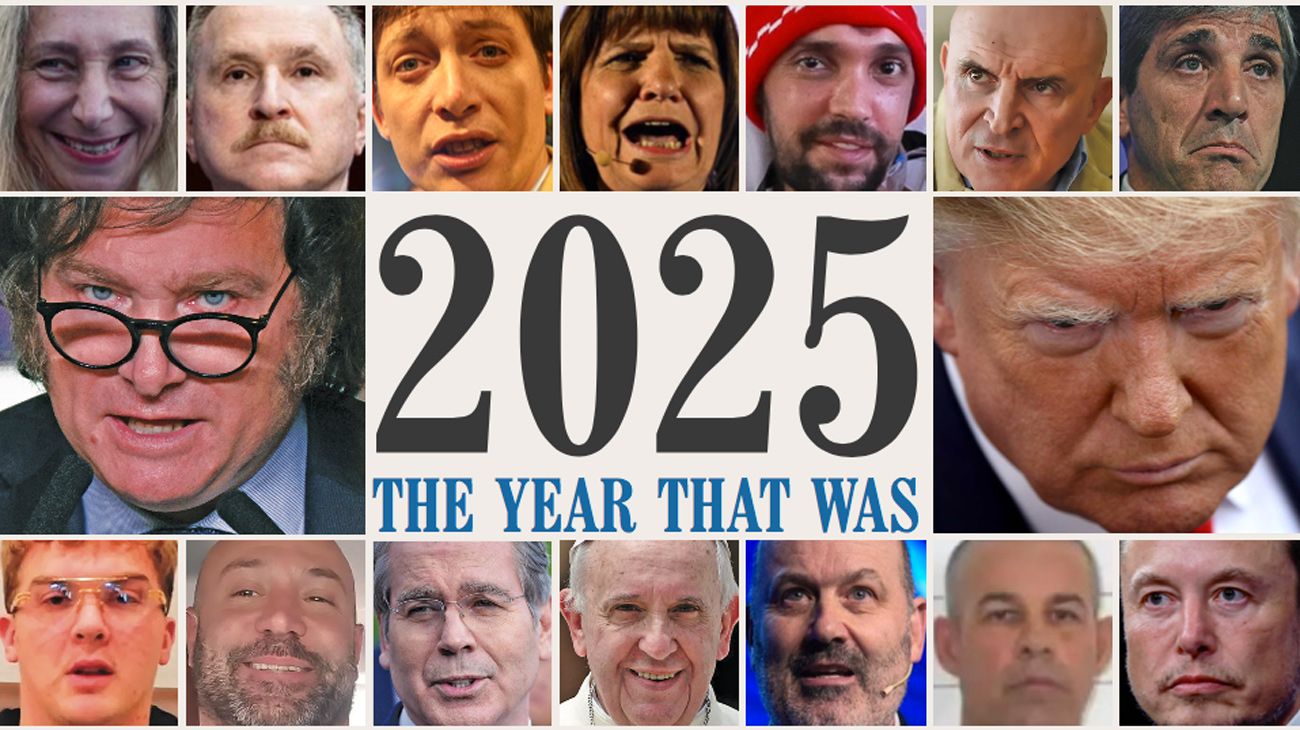
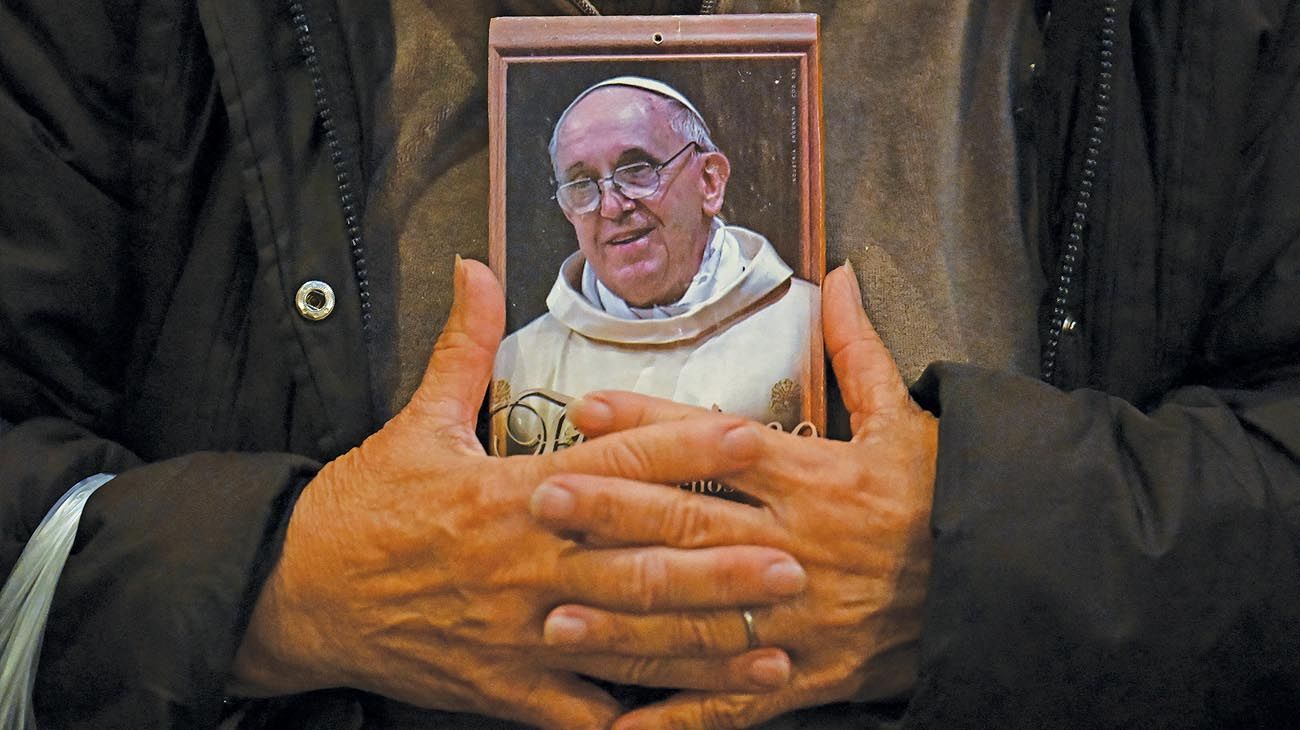
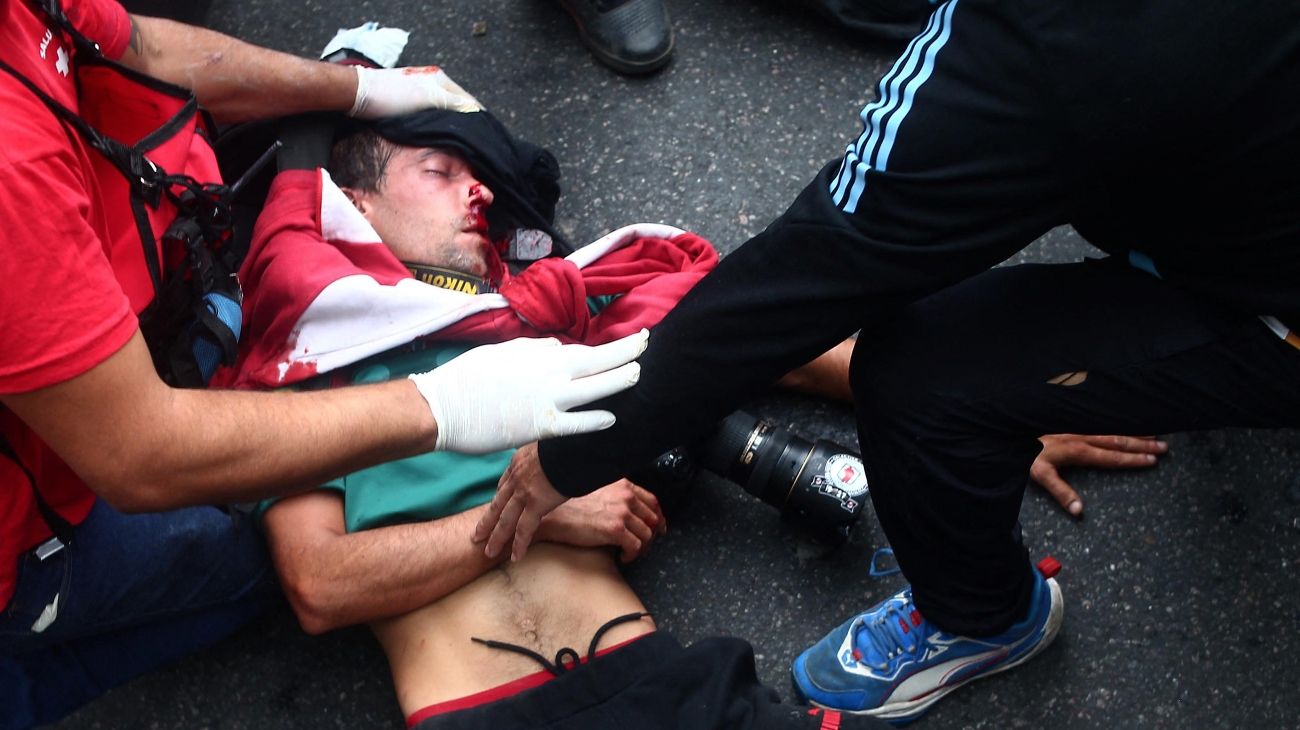
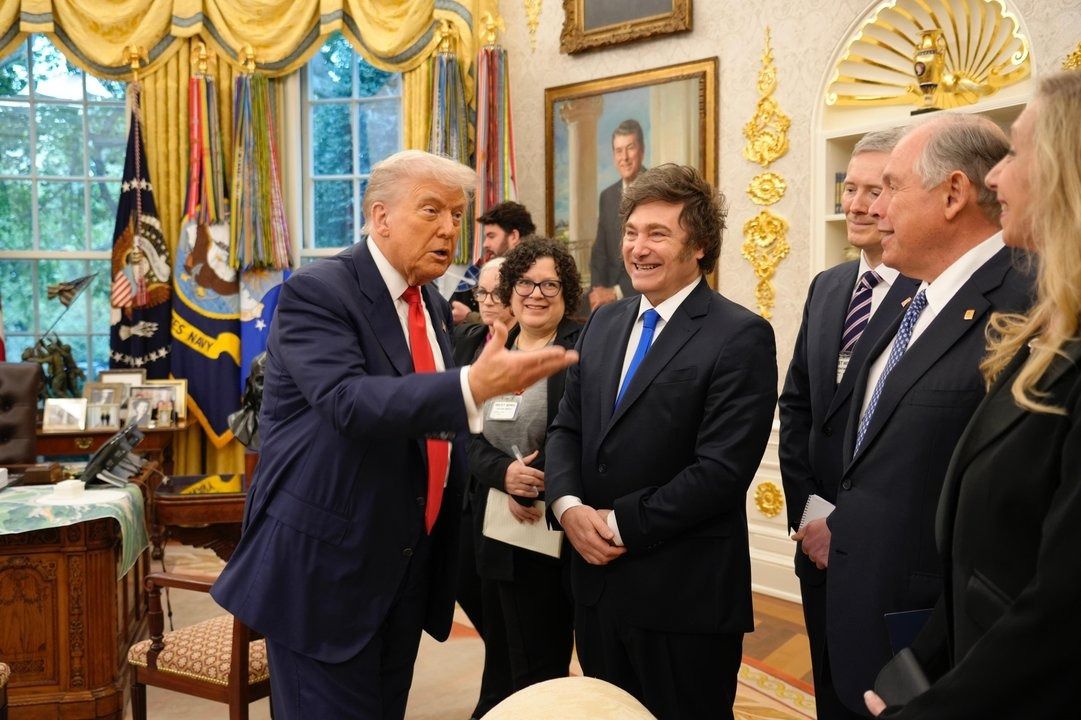
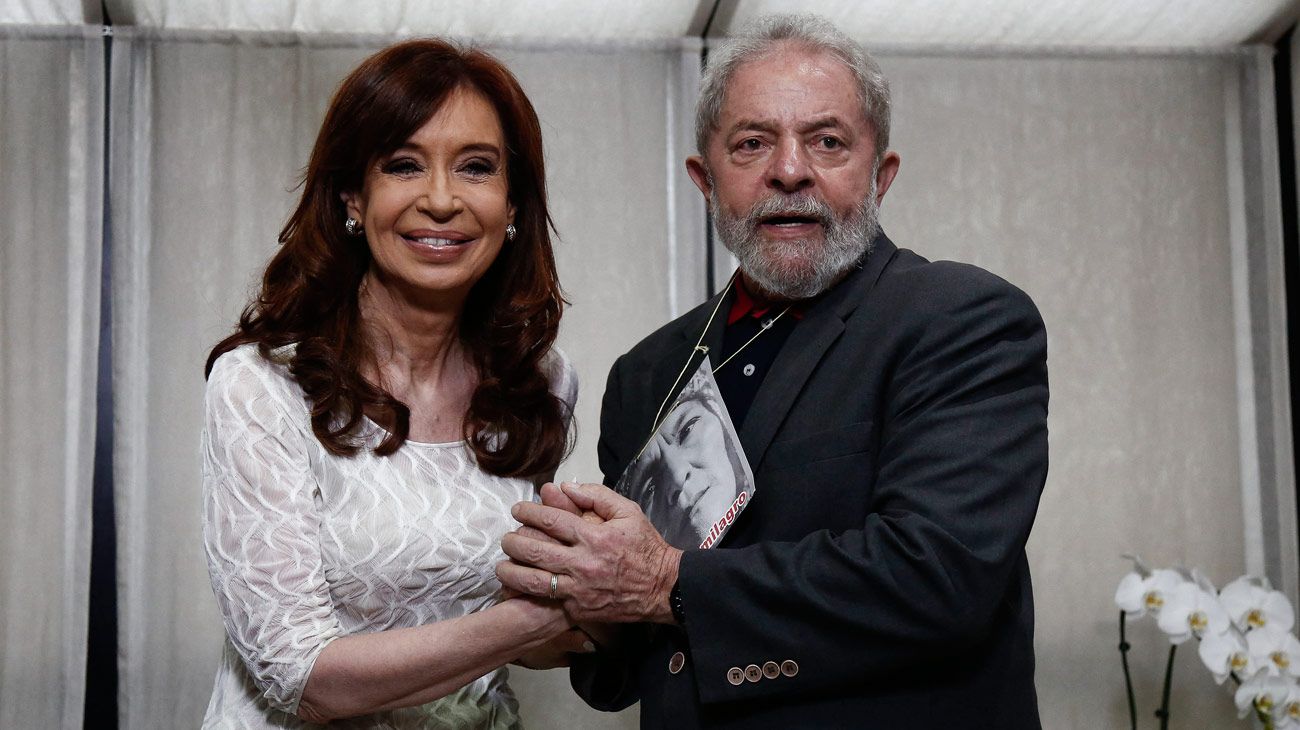
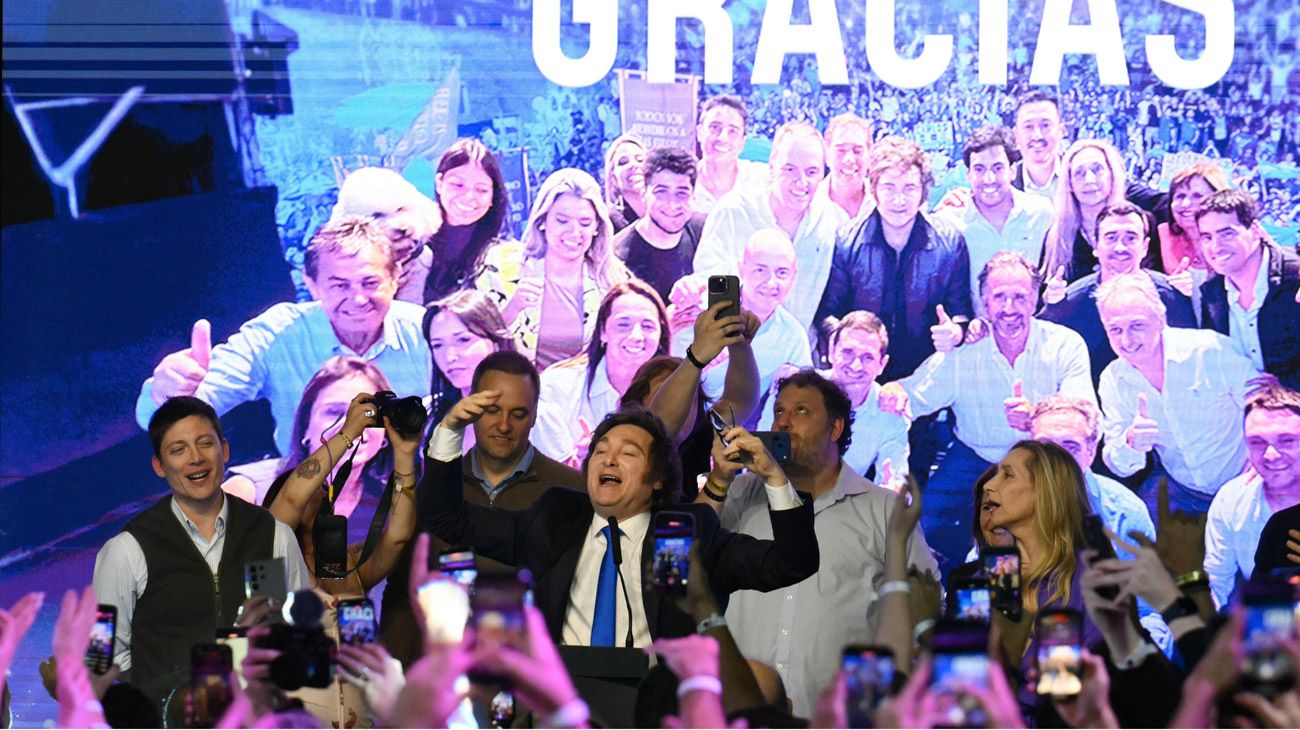



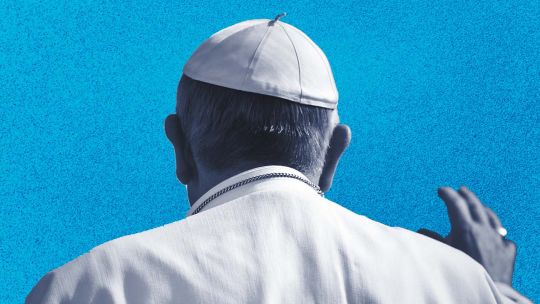
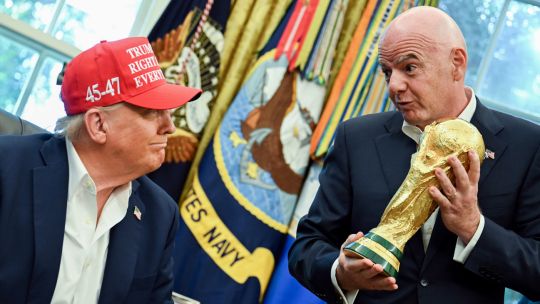


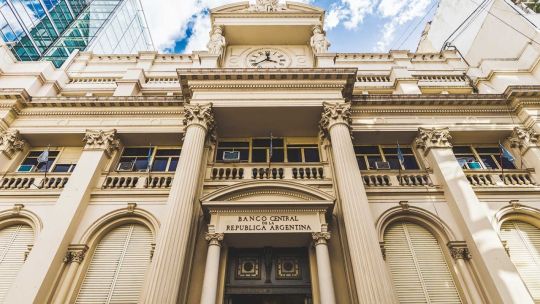
Comments