

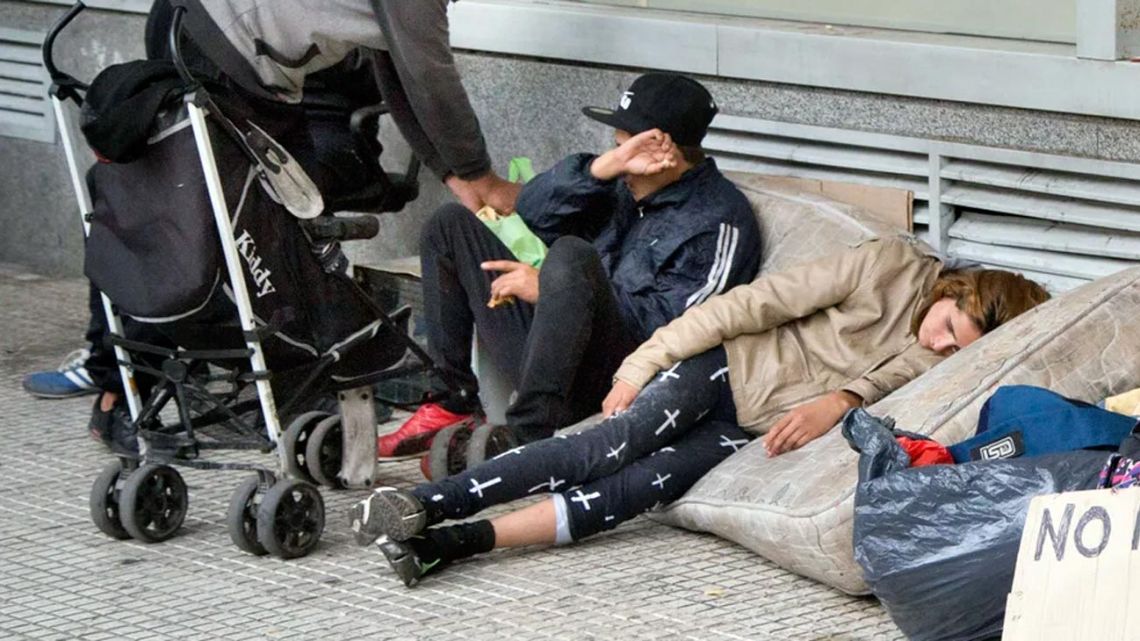
Argentina’s poverty rate fell sharply to 28.2 percent in the second half of last year – a fall of more than 10 points from one year ago, according to official data.
New data published by the INDEC national statistics bureau on Tuesday showed that extreme poverty affected 6.3 percent of the population – equivalent to some 1.9 million people, said INDEC.
Around 2.1 million households, or 21 percent, are considered below the poverty line, the bureau said, with 4.8 percent of homes classified as living in extreme poverty.
Compared with data from the first half of 2025, the incidence of poverty declined for both households and individuals by 3.1 and 3.4 percentage points respectively.

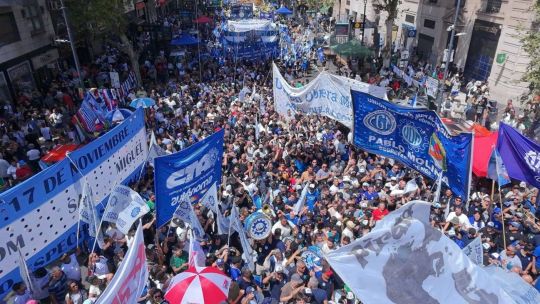
The news is a welcome and timely boost for President Javier Milei’s government, which has been suffering a drop in popularity in the polls following a string of negative headlines. Controversies surrounding Cabinet Chief Manuel Adorni, alongside tensions with provincial governors, labour unions and opposition lawmakers, have complicated the government’s reform agenda.
Since taking office in December 2023, Milei has slashed government spending and dismissed thousands of public officials as part of his “chainsaw” austerity approach to governance.
In the first half of 2024, 52.9 percent of the population was living in poverty, according to INDEC data. Extreme poverty, by comparison, stood at 18.1 percent.

Poverty fell sharply in the second half of that year as Milei tamed inflation, dropping nearly 14 percentage points to 38.1 percent – three points lower than the same period in 2023.
The trend continued into the first half of 2025, with poverty falling to 31.6 percent – the lowest level since the 31.5 percent recorded in the second half of 2018. Extreme poverty stood at 6.9 percent.
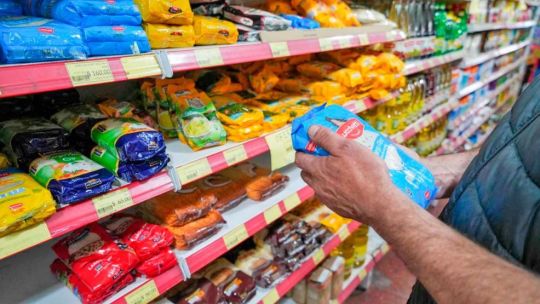
INDEC uses a purely monetary measure to calculate poverty. Its experts noted that, year-on-year, total household income increased by 18.3 percent, outpacing rises in the bureau’s cost-of-living benchmarks.

The data indicates that poverty continues to disproportionately affect younger age groups. In the second half of last year, 41.3 percent of individuals aged 0 to 14 lived in households below the poverty line, compared to 32.6 percent for those aged 15 to 29. Among those aged 65 and over, 9.7 percent were considered poor.
At the regional level, poverty among individuals stood at 28.3 percent in Greater Buenos Aires, 32.3 percent in Cuyo, 32.7 percent in the Northeast, 28.4 percent in the Northwest, 26.2 percent in the Pampas, and 25.4 percent in Patagonia. Extreme poverty was highest in Greater Buenos Aires (7 percent) and the Northeast (7.5 percent).
– TIMES/NA/PERFIL









Comments