

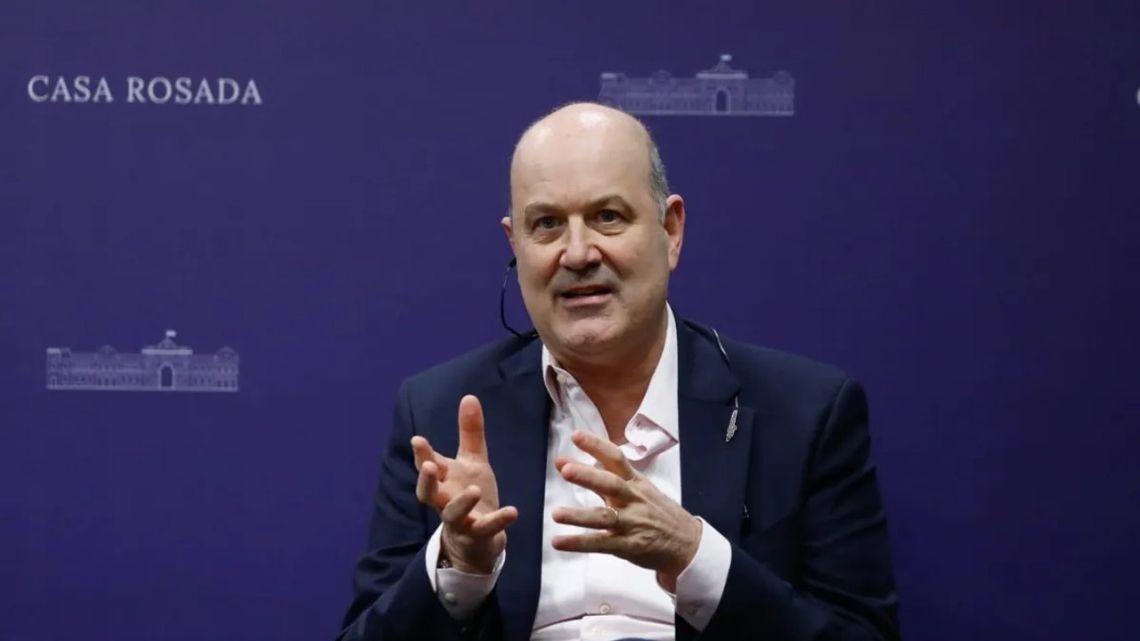
If there is one characteristic that stands out about Federico Sturzenegger in government, it is his determination to blow up every public agency. Fresh remarks this week against the ANMAT regulator – Argentina’s National Administration of Drugs, Foods and Medical Devices – were merely the latest clear example of a governing strategy built around the “deep chainsaw” model of austerity.
According to reporting, the official feels emboldened amid the government’s state-cutting drive, in a week marked by reductions across multiple sectors. Sturzenegger believes the administration still has both the time and political space to continue shrinking or eliminating areas he considers irrelevant.
And he has no qualms about saying so. “Federico has always been like this,” said someone who has worked with the former Central Bank chief for years. That is why he once again targeted ANMAT, a decentralised agency operating under Argentina’s National Health Ministry.
One detail: last year, during a crisis over contaminated fentanyl that ended in several people dying, the economist had already argued that medicines should not be subject to oversight, heavily criticising the agency.

The comments generated unease within the Health Ministry led by Mario Lugones. The official’s predecessor, Mario Russo, had also clashed with Sturzenegger after he pushed for the free importation of medicines, particularly those from India.
The discontent spread to local laboratories, which pushed back hard. Customs workers followed suit, aware that the minister wants to reform the National Customs Code established under Law 22.415 passed in 1981. Union representatives say the issue is highly sensitive because, from the minister’s perspective, it would make it easier for goods to enter the country, which for workers leads to insufficient oversight.
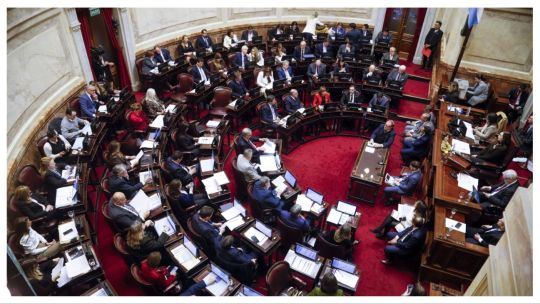
The matter has already reached the radar of the Confederación General del Trabajo (CGT) umbrella union grouping. One of its three leaders, Cristian Jerónimo, has already warned there will be industrial action if Sturzenegger succeeds in implementing the changes, which would require a bill to be passed by Congress.

“Customs is the first barrier protecting national industry, controlling everything that enters and leaves the country, ensuring we are not flooded with foreign products that end up destroying our industries,” said Jerónimo in a recent interview.
Jerónimo also highlighted the work carried out by customs staff, stressing their training and responsibility in what he described as a key role for the country.
At the National Meteorological Service, Sturzenegger has already taken similar action. Despite warnings from workers, he pressed ahead with his policy of fierce staff cuts.

He is not alone in that agenda. Alejandro Tamer, Sturzenegger’s undersecretary within the Deregulation Ministry, is the man tasked with carrying out the changes his political boss envisions.
The conflict continues.
by Juan Pablo Kavanagh, Noticias Argentinas




Comments