

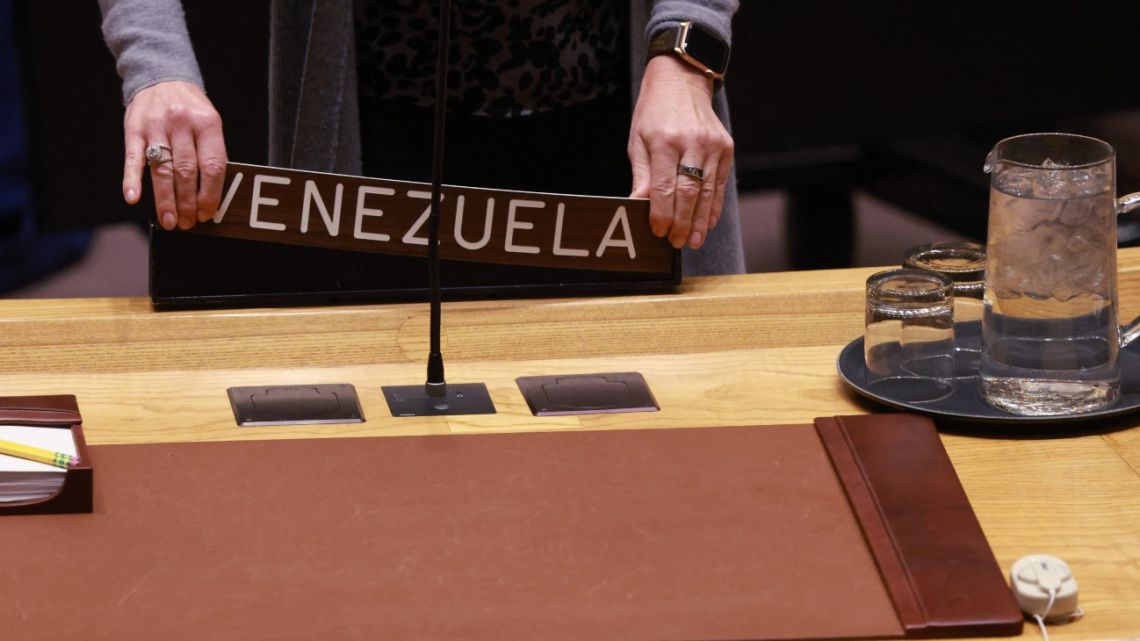
Latin America laid bare its divisions over the crisis between the United States and Venezuela at the UN Security Council this week, with some countries calling for respect for the South American nation’s sovereignty and others backing Washington’s military operation.
The capture and transfer of deposed president Nicolás Maduro and his wife, Cilia Flores, to New York in a covert operation, following strikes on Venezuelan territory, prompted an emergency meeting of the UN’s top body.
“These actions are reminiscent of the worst periods of intervention in Latin American and Caribbean politics,” said Colombia’s representative to the UN, Leonor Zalabata Torres.
“We are accepting that the law and interests of the strongest prevail over multilateralism,” the Colombian envoy said.

Colombia, which took up its seat on the Security Council in January, requested the urgent meeting at Venezuela’s behest.
Earlier, UN Secretary General António Guterres had called for “respect for the principles of sovereignty, political independence and territorial integrity of states,” in remarks delivered on his behalf by Undersecretary General Rosemary DiCarlo.
Brazil’s ambassador, Sergio França Danese, struck a similar tone. “An attack on the sovereignty of any country affects the entire international community,” he said.

Chile’s representative Paula Narváez said her country did not recognise Maduro’s government but rejected a military solution. “The serious human rights violations faced by Venezuelans do not have a military answer,” she said.
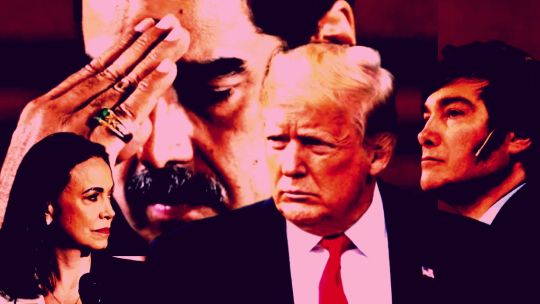
Donald Trump’s staunchest ally in the region, Argentina’s President Javier Milei, took a markedly different stance through his UN ambassador, Francisco Tropepi, who voiced firm support for the intervention.
Argentina “trusts that these events will lead to decisive progress against the narco-terrorism affecting the region and, at the same time, open a stage that helps the Venezuelan people fully recover democracy,” Tropepi said.
Despite clashing with the Trump administration last year over control of the Panama Canal, Panama’s ambassador, Eloy Álfaro de Alba, adopted a position more critical of Caracas than of Washington.
Panama “wishes to assert its unshakeable commitment to the sovereignty of States,” its ambassador said.
Yet “it also considers it necessary to highlight that the situation Venezuela is going through is taking place in a context marked by disregard for the will of its people,” he added.
The government of President José Raúl Mulino “does not recognise, nor will it ever recognise, the authoritarian and unlawful regime” in Caracas, said the Panamanian representative, including interim president Delcy Rodríguez.
Trump surprised allies and critics alike by saying he was willing to place some trust in Rodríguez, while warning that the United States would effectively “run” the oil-producing country for the time being.
The US president subsequently threatened Rodriguez with a fate “worse than Maduro’s” should she fail to comply with his demands.
Paraguay’s Ambassador Darío Filártiga said that Maduro’s removal “must promptly open the way to the restoration of democracy and the rule of law in Venezuela.”
The debate unfolded in the presence of Venezuela’s ambassador to the UN, Samuel Moncada, who insisted that the government retained “effective control over the entirety of national territory” and demanded Maduro’s immediate release.
– TIMES/AFP




Comments