

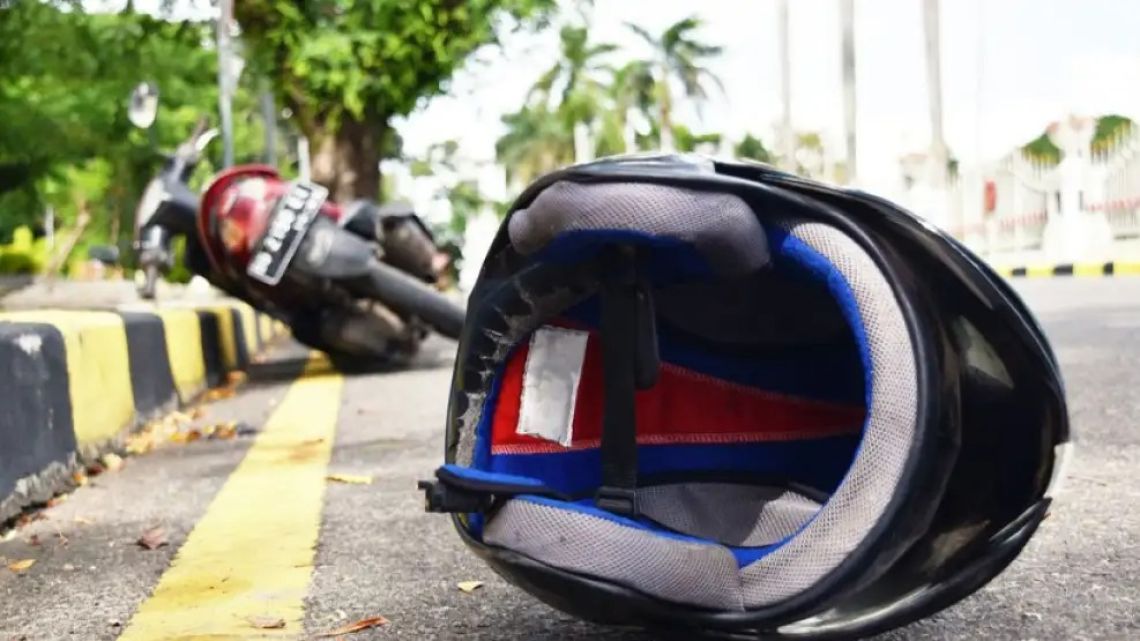
In Argentina, the street delivers a stark verdict: 46 percent of those killed in road traffic incidents in 2024 were motorcyclists. The profile is also young and male: 43 percent of those who died were aged between 15 and 30 and 89 percent of all victims were men.
The map of tragedy is now even more diffuse. Following the dissolution of strategic departments within the Agencia Nacional de Seguridad Vial (National Road Safety Agency, ANSV) under Presidential Decree 461/2025, there is no consolidated official data available for the current year.
In the absence of state figures, civil associations and provincial observatories are maintaining and updating statistics. The data, however, places Argentina 105th in the global ranking compiled by World Life Expectancy, which analyses road mortality across 180 nations.
The ‘delivery effect’ and the two-wheel boom
The rise in the number of motorcycles on Argentina’s streets and motorways is no coincidence. It reflects a combination of low maintenance costs, easy financing — with entry-level models priced from 1.8 million pesos, payable in 48 instalments — and the explosive growth of ride-hailing and delivery apps. In 2025 alone, registrations of new motorcycles rose by 34 percent (more than 650,325 units).
The second-hand market for motos has also expanded, with a 14 percent increase in transfers during the first half of the year. Most low-cost models sold lack advanced active safety systems. Meanwhile, the ecological transition is virtually non-existent – barely one percent of sales correspond to electric models.
Protection and safety
Helmet use — the main barrier between life and death in motorcycle accidents — reveals a divided Argentina.
In Buenos Aires City, strict enforcement has pushed helmet use up to 90 percent. Elsewhere in the country, however, the average drops sharply to around 60 percent. The gap is territorial. In the Buenos Aires Metropolitan Area (AMBA), compliance stands at around 80 percent, but when individual municipalities are examined the figure falls to 59 percent. In northern Argentina, where reliance on motorcycles as a primary means of transport is far greater, rates are even more critical.
There are, however, examples of successful state intervention within Buenos Aires Province. The city of Junín has shown that change is possible. Via a campaign centred on vehicle impoundment and a strong awareness drive, helmet use rose from 44 percent to 66 percent.
Deregulation and ‘open exhausts’
The safety crisis is compounded by noise pollution and urban disorder. Although National Law 24,449 requires factory-approved exhaust systems to be maintained, the current government’s deregulatory push has created confusion.
After Decree 70/2023, which removed the obligation to present certain documents for vehicle transfers, a false belief took hold that Argentina's Vehicle Technical Inspection (VTV) process was no longer required. This led to a general relaxation of riders checking their vehicles, a rise in illegal street racing and modified “open exhausts” in districts such as Neuquén and Salta.
Although municipalities including Escobar, Trenque Lauquen and Mar del Plata have passed by-laws to curb excessive noise, a lack of regulation and relatively low fines have limited their impact.
Vietnam’s example: can the trend be reversed?
Observers worldwide are watching the case of Vietnam closely. With a fleet of 58 million motorcycles, the Asian nation managed to cut road deaths by more than 40 percent between 2010 and 2021. The formula: strict legislation and the end of impunity.
In a single month, Vietnamese authorities issued more than 300,000 fines, impounded 90,000 motorcycles and suspended 27,000 licences. The plan included dedicated lanes and rigorous enforcement of World Health Organization guidelines, pushing helmet use in cities above 90 percent.
The challenge for Argentina is clear: move from written rules to effective enforcement before the statistics claim the lives of yet another generation travelling on two wheels.
related news




by Amanda Alma, Perfil







Comments