

A judge in Córdoba Province announced Friday that experts had identified eight people who disappeared during Argentina's 1976-1983 military dictatorship, whose remains were recovered from a mass grave last year.
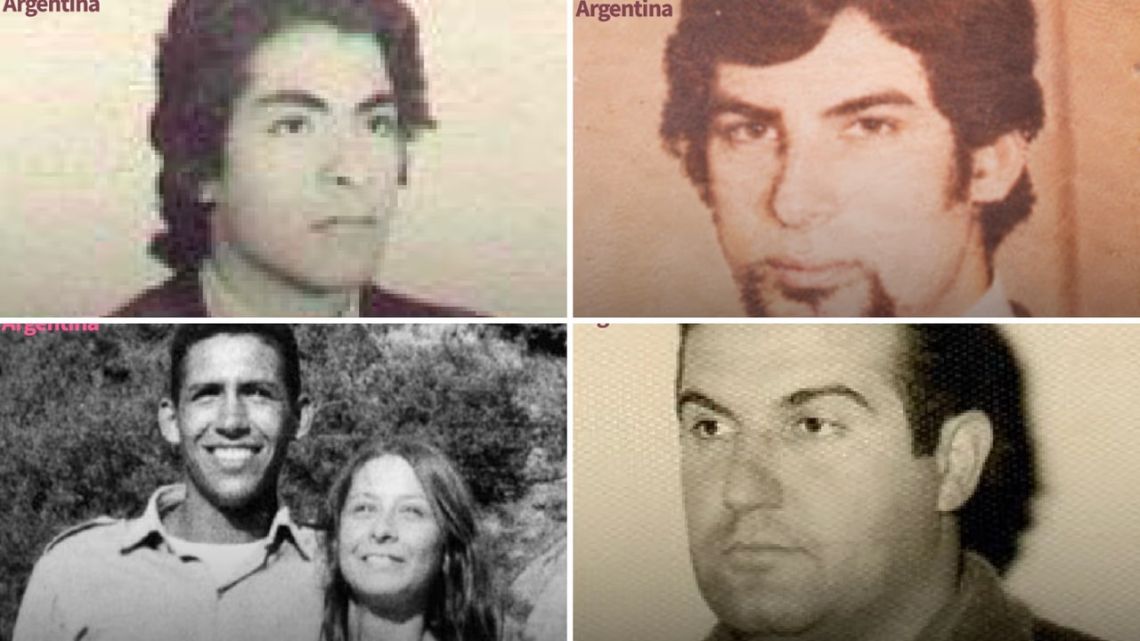
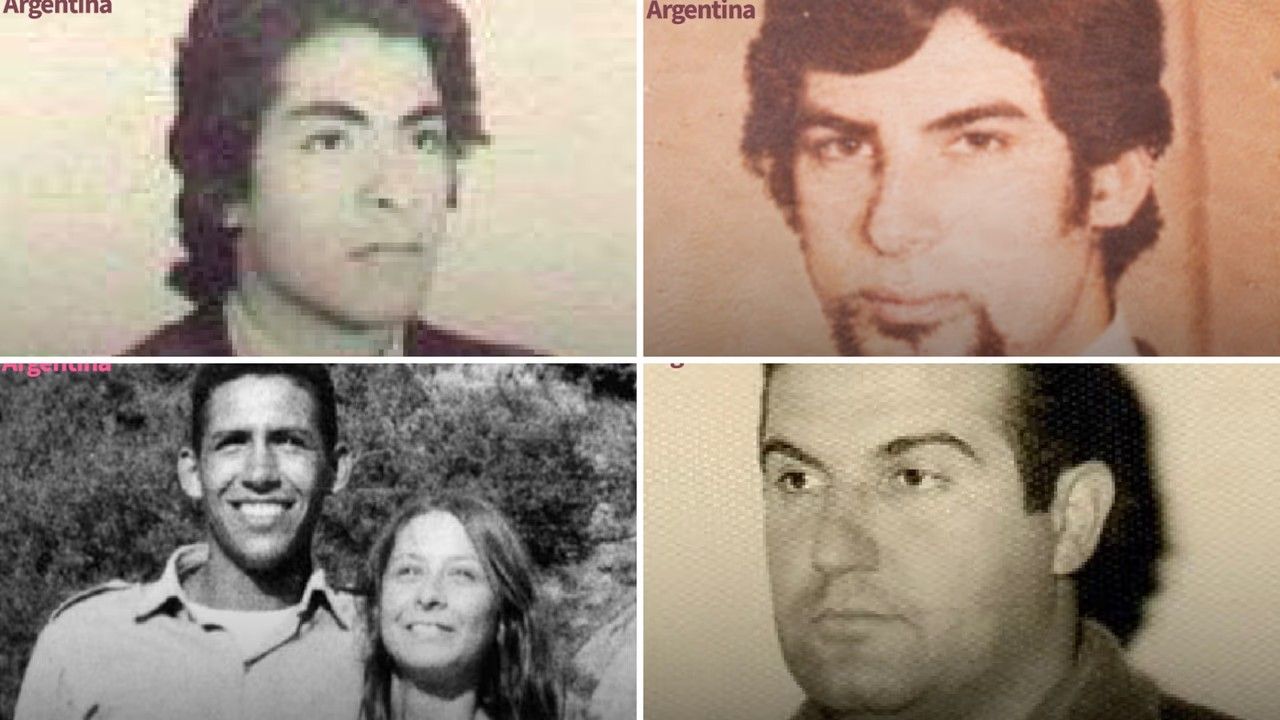
Federal Judge Miguel Hugo Vaca Narvaja announced the identities of four women and four men at an emotional press conference attended by relatives. The identifications bring the number of people whose remains have been identified since the campaign began in 2025 to 38.
The site, known as Loma del Torito, is a property formerly owned by Argentina's Army, which lies adjacent to the former clandestine detention and extermination centre known as 'La Perla,' which operated until 1978.
An estimated 2,200 to 2,500 people were tortured and killed at La Perla during the military dictatorship, which disappeared around 30,000 people, according to estimates by human rights organisations. President Javier Milei's government doubts that figure, stating the true number is lower.

The world-renowned Equipo Argentino de Antropología Forense (Argentine Forensic Anthropology Team, or EAAF) worked alongside specialists from Córdoba’s Judicial Branch Institute of Forensic Medicine, researchers at the National University of Río Cuarto and forensic expert Guillermo Sagripanti to match DNA samples and establish the victims’ identities.
Identities

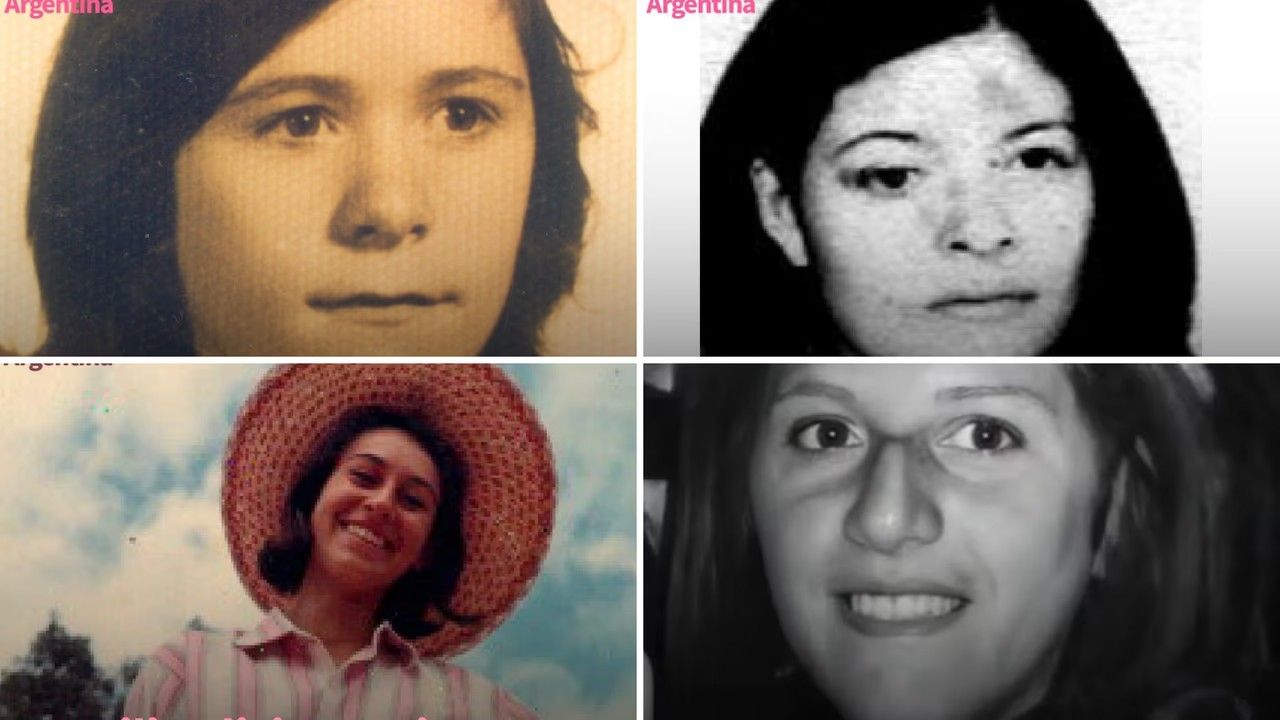
The eight were identified as Néstor Albino Acosta, Pascual Delfín Ludueña, Claudio Norberto Nardini, Cecilia Alicia Pessina Libro de Ávila, Mónica Protti de Guillén, Mercedes del Valle Ramírez, María Luisa Salto and Juan Carlos Soulier.
Acosta was a 21-year-old railway worker on the Mitre line when he was abducted on June 16, 1976.
Ludueña, 29, was a trade union representative at the Fiat Concord factory when he was taken on March 24 that year.

Nardini, a 34-year-old employee of dairy company SanCor who was active in the trade union movement, was abducted on April 23, 1976.
Pessina Libro de Ávila was a psychologist and member of the Organización Comunista Poder Obrero (Workers' Power Communist Organization, OCPO). She was abducted on August 14, 1976, aged 28, in front of her daughter,
Protti de Guillén was a teacher and Communist Party activist who was abducted on September 21, 1976. Ramírez was a secondary school student when she was taken on July 3 that year.

Salto was a medical student at the National University of Córdoba (UNC) and a member of the Peronist University Youth. She was abducted on July 28, 1976.
Soulier, an electrician, was abducted on August 15, 1976, alongside his wife and their five-month-old son, Sebastián, who was later reunited with his family and is now part of the legal proceedings brought by victims’ relatives. His mother remains missing.
'This has changed everything'
The identifications have brought long-awaited confirmation to families who have spent decades searching for their loved ones.
“This has changed everything. I no longer have to prove that she disappeared; the little bone speaks for itself,” said Graciela Pessina, Cecilia’s sister.
Cecilia’s identification was made possible by a bone from her hand, which Graciela said was the same hand with which she had written stories as a teenager, worked on student projects and played Mozart.
Rosa Miriam Ludueña, Pascual’s niece, welcomed the discovery as an opportunity for truth and reconciliation.
“I believe this is the time when the truth is no longer tied down but free, and this truth brings us closer to peace, justice and honouring life. It is also a chance to awaken the consciences of those who have been asleep and to say: Nunca más,” she said.
Sebastián Soulier also spoke of the significance of identifying his father after five decades.
“After 50 years, the earth is beginning to give them back to us. These are 38 identities returning to their families. Finding them is like a caress to the soul in these very difficult times,” he said.
Investigators believe the military moved remains from other locations to Loma del Torito in 1979 to conceal evidence ahead of an inspection that year by the Inter-American Commission on Human Rights, prompted by international allegations of abuses.
The EAAF said identification work would continue “until the task is complete."
– TIMES/AFP/NA
related news
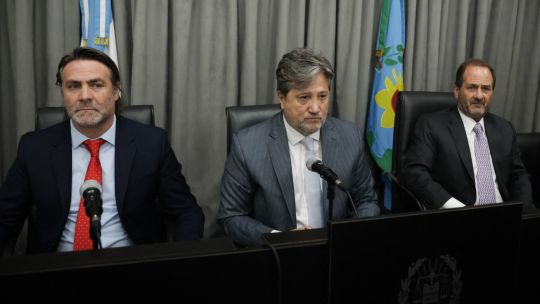



Image Gallery













Comments