

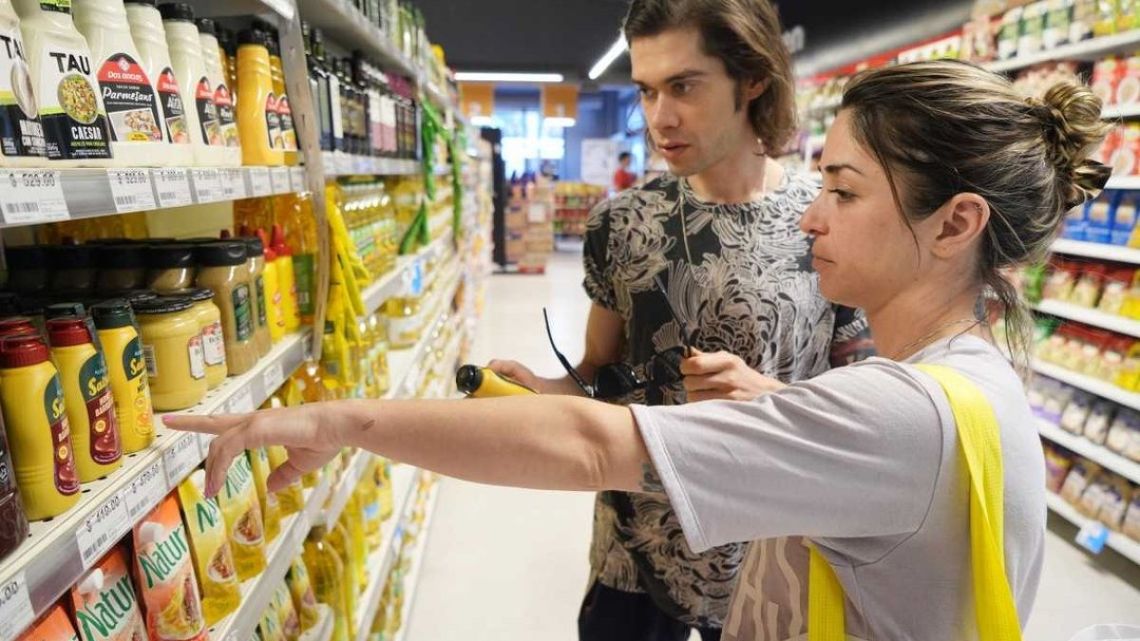
Inflation in Argentina accelerated slightly in September, rising to 1.9 percent and lifting the annual rate to 33.4 percent.
According to the index tracked by the INDEC national statistics bureau, consumer prices have risen 23.6 percent so far this year.
Inflation has generally decelerated since April, although the trend was interrupted by a peak of 2.1 percent in July. After easing to 1.7 percent in August, the rate accelerated again in September.
President Javier Milei’s government has been seeking to bring inflation down and keep it below a monthly two-percent target. Prior to the publication of INDEC's latest report, economic officials had anticipated a reading just below the threshold.

The latest figure was in line with the Central Bank’s most recent REM market expectations survey, which forecast 1.9 percent. The survey projects that year-on-year inflation would reach 30.3 percent by the end of 2026.
An early indication of the national figure came from last week's publication of data from Buenos Aires City's statistics institute, which said inflation edged up to 1.8 percent in September, up 0.1 points from August.
Rising costs
Of the 12 categories tracked by INDEC, five recorded price increases above the overall CPI. Housing, water, electricity, gas and other fuels saw the sharpest rise, at 3.1 percent, followed by education at three percent. Communications prices rose by 2.5 percent and healthcare by 2.4 percent.
Food and non-alcoholic beverages rose by two percent and were the largest contributor in most regions, though housing and utility costs had the greatest impact in Greater Buenos Aires.
Miscellaneous goods and services, and recreation and culture, both rose by 1.9 percent, in line with the overall monthly rate.
Household equipment and maintenance increased by 1.6 percent, transport by 1.5 percent, and alcoholic beverages and tobacco, and clothing and footwear, by 1.4 percent each. Restaurants and hotels recorded the smallest increase, at 1.1 percent.
Core inflation, which excludes regulated and seasonal prices, eased from 1.8 percent in August to 1.7 percent in September.
September’s figure was broadly in line with private-sector forecasts. Fundación Libertad y Progreso, EcoGo and Analytica had projected a monthly increase of two percent, while Equilibra forecast 2.1 percent. C&T Asesores Económicos was the most optimistic, predicting a 1.9 percent rise.
Before the official figures were released, consultancy LCG reported that basic food prices had risen by 2.7 percent over four weeks. Fundación Libertad y Progreso estimated that food and non-alcoholic beverage prices had increased by 3.2 percent in September.
– TIMES/PERFIL/NA









Comments