

An emergency meeting of the Community of Latin American and Caribbean States (CELAC), convened on Sunday by the bloc’s pro-tempore president, Colombia’s President Gustavo Petro, ended without a joint declaration condemning the United States over the detention of Nicolás Maduro.
Argentina and a group of its regional allies succeeded in blocking a unanimous statement, voicing explicit opposition to condemning Washington’s intervention in Caracas.
The meeting, held by videoconference with the participation of foreign ministers and diplomatic representatives from all 33 member states, was intended to articulate a critical stance on the US military intervention in Venezuela. However, profound differences among Latin American governments thwarted any consensus.
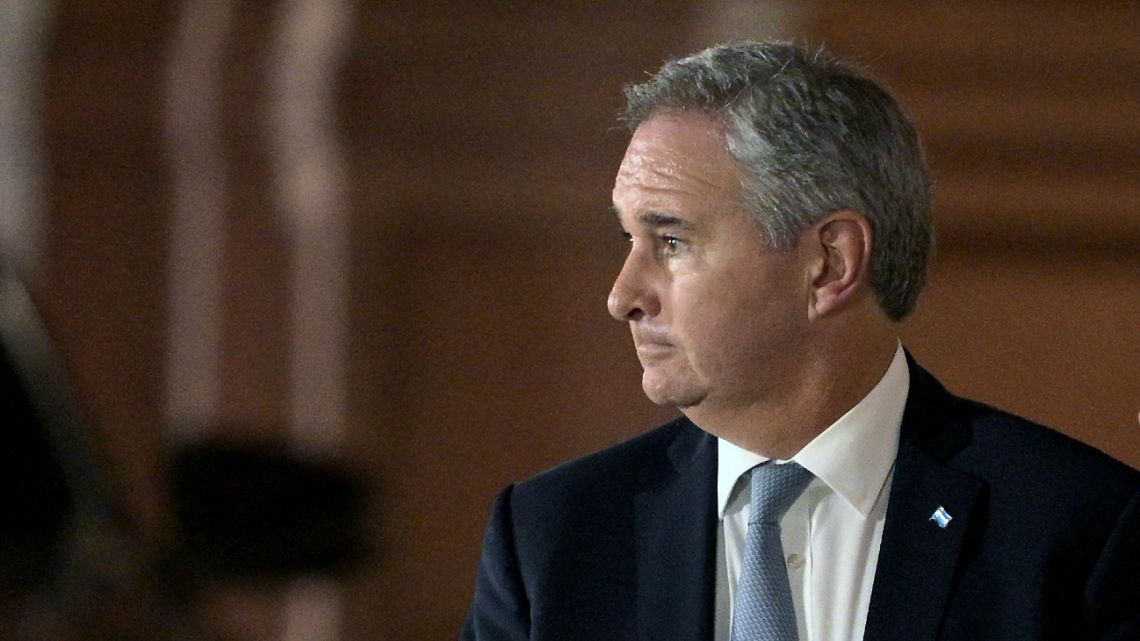
Argentina played a central role in that outcome, according to reports. Foreign Minister Pablo Quirno was among the most forceful voices within the group opposing a condemnation statement, alongside Paraguay, Peru, Bolivia, Costa Rica, Ecuador, El Salvador, Panama, the Dominican Republic and Trinidad and Tobago.

Several of these countries, including Argentina, sent low-ranking diplomatic delegations to the meeting convened by Petro and backed by governments aligned with Venezuela, including Cuba and Nicaragua.
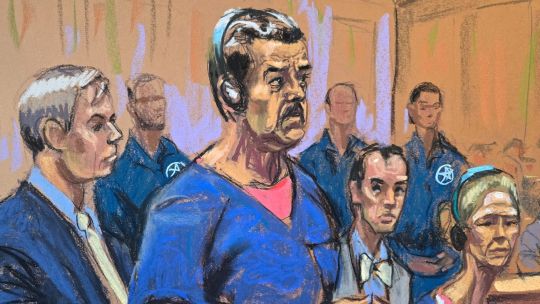
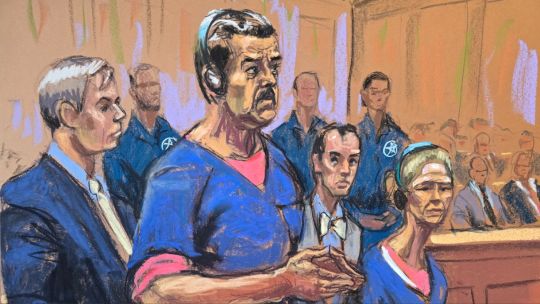
Ahead of the meeting, Colombia, Brazil, Chile, Mexico, Spain and Uruguay had publicly voiced their opposition to the military operation ordered by US President Donald Trump, which led to the capture of Maduro and his wife, Cilia Flores. The couple are now being held in New York on charges linked to drug trafficking and other offences.
Argentina began working on an alternative statement backing Washington’s actions, arguing that Maduro’s detention marks a turning point against a power structure flagged by international bodies – such as the United Nations (UN) and the International Criminal Court – for grave and persistent human rights violations.

The opposing viewpoints on display at the CELAC talks lay bare an ongoing regional fracture cutting across both multilateral blocs and domestic politics in several countries.
In Chile, outgoing president Gabriel Boric aligned himself with criticism of the United States, while president-elect José Antonio Kast hailed Maduro’s detention as “great news for the region”, blaming his continued grip on power for the migration crisis and the advance of organised crime.
A similar picture has emerged in Honduras, where President Xiomara Castro sharply criticised the arrest, while the party of her successor, Nasry ‘Tito’ Asfura, issued a statement backing the US operation.

The divide had already been on display days earlier at the latest Mercosur summit. During that meeting, Brazilian President Luiz Inácio Lula da Silva rejected any scenario involving foreign military intervention in Venezuela, while Argentina’s President Javier Milei expressed unequivocal support for Trump and his strategy to remove the Venezuelan leadership from power.
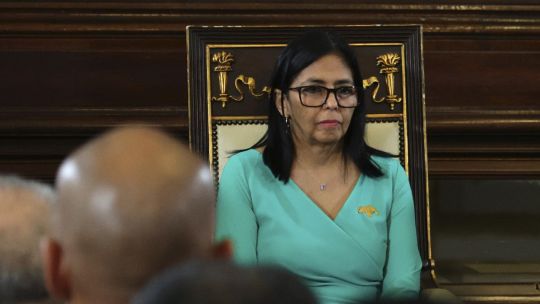
During the CELAC meeting, foreign ministers and diplomats from Cuba, Nicaragua, Uruguay, Venezuela and Colombia delivered emphatic speeches against the US military incursion. They were, however, met with resistance from around a third of the forum’s members, who question the legitimacy of the Venezuelan government and point to the country’s institutional and humanitarian deterioration over the past decade.
– TIMES/PERFIL










Comments