

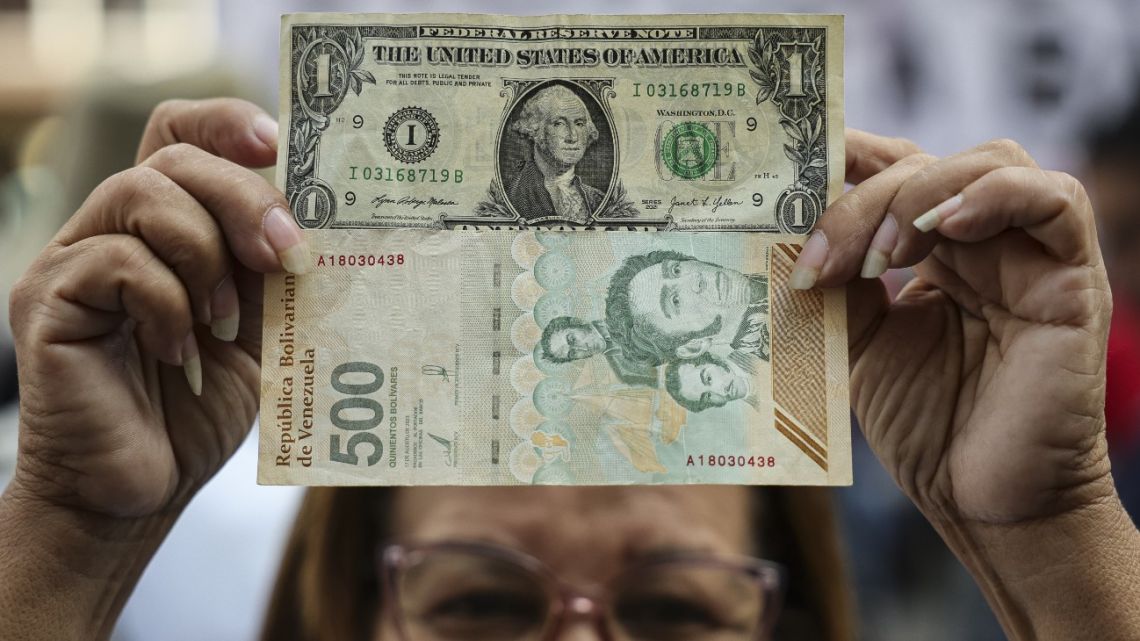
The Donald Trump administration promised Venezuelans economic prosperity after removing Nicolás Maduro from power. Life has only gotten harder in the two months since.
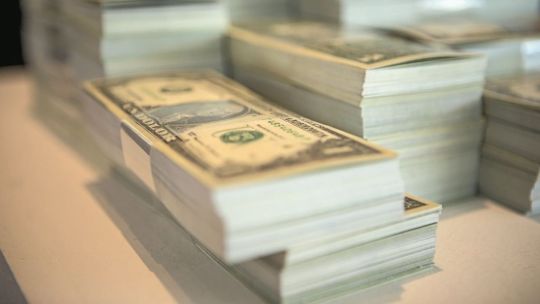
The petrostate’s oil output fell 21 percent to 780,000 barrels a day in January and exports plunged, limiting the flow of much-needed dollars that many Venezuelans typically use instead of the depreciated local currency. Meanwhile, dollar auctions introduced by the US-supported administration have been criticised as too slow and opaque.
That helped accelerate annual inflation to around 600 percent in February from 475 percent in December, underscoring how a shortage of dollars is fuelling price pressures and causing more grief for Venezuelans earning paltry stagnant wages.
“In terms of the real tangible progress for ordinary Venezuelans, there isn’t much to show,” said Phil Gunson, a Caracas-based analyst with the International Crisis Group. “Inflation is high, the bolívar is losing value, and people are still earning poverty wages,” he said, referring to the local currency.

The disconnect highlights the central test of Washington’s strategy: whether easing sanctions and asserting control over oil revenue can stabilise an economy that has repeatedly tumbled back into scarcity and currency turmoil. For now, the promised rebound has yet to reach households.
About 80 percent of residents say their economic situation has not improved in the first two months of the year compared with 2025, according to a recent Meganálisis poll. While many expect the economy and job market to improve within six months, only seven percent reported any improvement so far.
“Most of the change has to do with feeling: That people believe that in six months they are going to be better off, but there’s nothing you can point to,” said Gunson.

Still, some analysts see grounds for cautious optimism. Oil revenue could nearly double in the second half of the year, potentially driving a 17 percent increase in consumer demand, according to Luis Vicente León, president of Caracas-based pollster and consultancy Datanálisis.
“Improvement is occurring first in people’s minds and then in their wallets,” León said on X. “Today, more than 75% of Venezuelans believe their economic situation will improve soon, but that expectation is not yet fully reflected in income or economic activity, which continues to be marked by inflation, devaluation, and the exchange rate gap.”
So far, the interim government of Delcy Rodríguez has overhauled the country’s decades-old nationalistic hydrocarbons law, giving officials discretion to adjust taxes and royalties in a bid to entice the private capital that US President Donald Trump would need to bring Venezuela’s oil production to “levels never seen before.”

Delcy Rodríguez's administration has also introduced a new law to revive the mining sector, which became a den of organised crime and environmental degradation after the state seized the assets of international companies decades ago. In a bid to restore investor confidence in the country, US Energy Secretary Chris Wright and Interior Secretary Doug Burgum recently visited Caracas.
For many, frustration centers on wages. The official minimum wage has remained unchanged since 2022 at 130 bolívares, about 30 cents at the official exchange rate. The figure is widely seen as symbolic, with workers relying on side jobs and remittances from abroad to get by. A majority of those surveyed said a liveable minimum wage should fall between US$200 and US$400 a month. The monthly cost for a basket of staple foods to support a family of five is US$677, according to Caracas-based research group Cendas.
“The challenge is enormous,” León said. “Venezuela has experienced years in which many production chains were disrupted and a key generation emigrated. Rebuilding those capacities will take time.”

Public pressure is building. Protests increased by 53 percent in January, with roughly 50 tied to labour demands, according to a local civil society group that tracks demonstrations. Workers, pensioners and retirees mobilised Thursday nationwide, calling for higher wages and pensions to offset the rising cost of living. Students and others joined them, testing the new administration’s tolerance for dissent.
Dollar scarcity has also distorted the country’s newly implemented exchange system. The auction-based programme, introduced shortly after Maduro’s capture, distributes proceeds from dollar sales through private banks, which then sell the currency to companies.
“Venezuela is progressing somewhat faster politically than economically,” said Alejandro Grisanti, director of consultancy Ecoanalítica. “The process has to speed up because, while the auctions have provided some relief to the exchange market, they are definitely not the solution.”

Banks report selling dollars at an average rate close to 500 bolívares per dollar, above the official rate but still lower than the roughly 600 bolívares in the parallel market. But many companies buying dollars in the official system are paying much higher prices, similar to those in the unofficial market, according to people with knowledge of the situation. It remains unclear how the government is allocating dollars and which sectors it’s prioritising, the people said.
Given the lack of transparency, companies and individuals resort to paying more for dollars in the parallel market. That squeezes margins and adds uncertainty, because businesses are required to calculate prices using the lower, official rate published by the Central Bank.
“With that in mind, inflation is likely to stay elevated in the near-term until the dollar supply rises and the FX rates more closely converge,” JPMorgan analyst Katherine Marney wrote in a research note, adding that in mid-2024, “when Venezuela was able to freely export oil,” the exchange rate converged and brought annual inflation down to 35 percent.

Venezuelans may be too optimistic, said Eduardo Fortuny, head of Caracas-based consultancy Dinámica Venezuela, during an investment presentation in Bogotá in early March. There, business representatives highlighted myriad opportunities, from health care to the steel industry. “This is the time,” one said, “the changes will gradually take place.”
Judging by the surveys and protests, Venezuelans may be getting tired of waiting. “So much optimism can translate into frustration,” Fortuny said. “Venezuelan families expect incomes to rise significantly. Two out of three now say they expect their relatives to return – events we know will happen, but we don’t yet know how.”
by Andreina Itriago & Patricia Laya, Bloomberg








Comments