

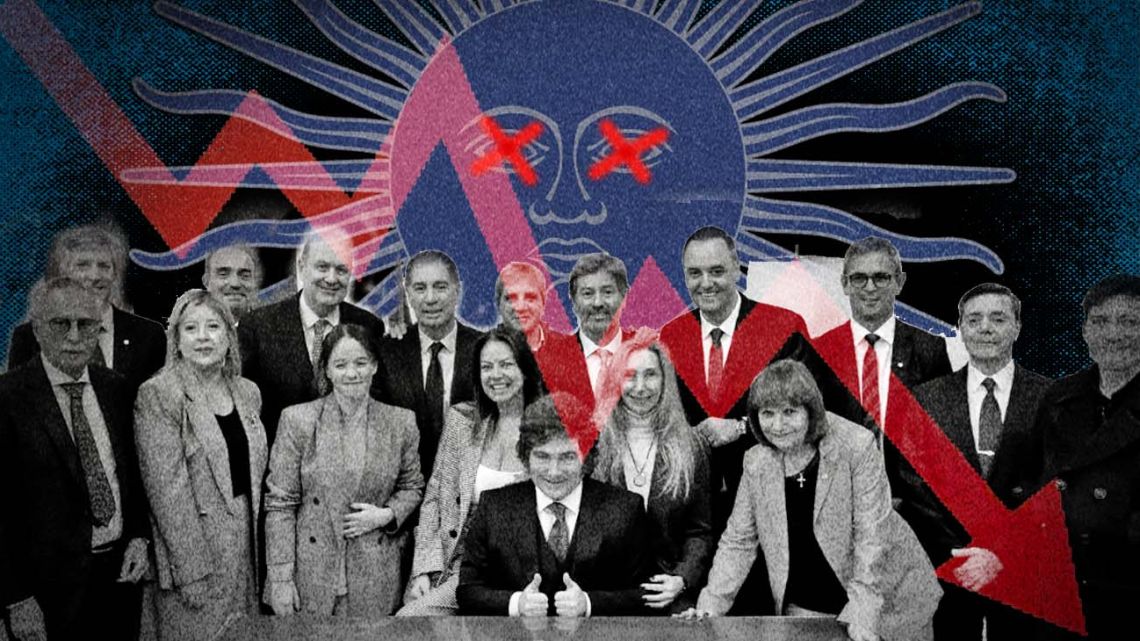
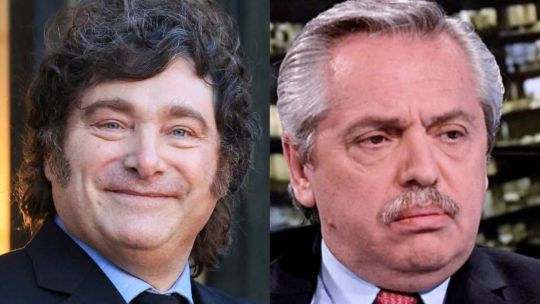
The disappointing August growth figures (1.7 percent down from the same month last year, placing Argentina on the brink of recession, and a feeble growth of 1.2 percent so far this year) are generally laid at the door of the Javier Milei administration but it would be overrating this or any government to hold them entirely to blame although neither are they immune from responsibility. Growth figures should always be seen in context – thus the highest figure this century was the 10.4 percent of 2021 (a rebound from the almost identical negative figure of the previous pandemic lockdown year) but nobody now thinks of the Alberto Fernández government as economic geniuses. Quite the contrary – the cost of clearing up the mess they left explains part of the current downturn.
Part because there are other factors both exogenous and endogenous. Thousands of jobs are being lost to the austerity of the fiscal surplus obsession but also to the technological transformation spearheaded by Artificial Intelligence advancing faster in other countries – robots, digital retailing, etc. feeding an AI bubble which could burst at any moment, adding to the worldwide volatility created by the wars in the Middle East and Ukraine. Amid this complex scenario the Milei government seeks to transform a model of consumer-led growth supplied by a protected industry with low productivity into one of export-led growth more open to the world – the long-term structural unemployment resulting from deindustrialisation leads to inevitable economic and social disruption anywhere with costs of transition to which this government is paying insufficient attention.
Thus far the problems stem from beyond or the nature of the beast but there is at least one self-inflicted adversity arising from not being true to itself – the growing entanglements from lurching into the electoral opportunism of a populist nationalism totally out of character with the Malvinas sovereignty drive of the past several weeks. Business investors worldwide are not going to understand the “sacred cause” of the Malvinas as any exception proving any rule – nationalism can cover a multitude of sins and justify sanctions similar to those now being deployed against anybody servicing unauthorised offshore oil exploration in “usurped” waters, echoing the experience with KIrchnerism. Being pro-market within national interests is like being a little bit pregnant in such eyes, breeding a gratuitous uncertainty which should never be a problem for such an ultra-orthodox libertarian administration.
The threat of sanctions for anybody on the wrong side of Argentine Malvinas sovereignty claims not only causes unease across an extremely broad business spectrum but runs afoul of Milei’s pet allies more than anybody – Donald Trump with some of his business pals possibly affected, Israel whose Navitas Petroleum owns two-thirds of the Sea Lion project provoking this crackdown and Chile’s new far right president José Antonio Kast who values the profitable Punta Arenas-Stanley connection. This disrupts a foreign policy handicapped by being placed under a minister with zero diplomatic experience although the international front has also been hit by factors beyond local control. If Trump hinted in late August that he might change his Malvinas stance, this was his way of expressing annoyance at the lack of British Middle East commitment but now the Labour government is offering at least defensive assistance against the Houthis in Yemen – with the United Nations Decolonisation Committee harbouring Argentina’s Malvinas sovereignty claims all these years choosing this time to bring up Puerto Rico and thus prompt Trump into calling for its elimination, the United States is looking close to a U-turn.

But the biggest damage is on the investor front. When the likes of Haliburton shunned servicing the Sea Lion project because Vaca Muerta shale seemed bigger business, Milei congratulated himself on the Malvinas stunt but this was just the tip of the iceberg – global finance is so intermeshed that the fallout reaches countless banks, investment funds, insurance companies, shareholders, etc., including Vaca Muerta participants. Spin doctor Santiago Caputo’s demented crusade to save the islands from a Britain allegedly turning Islamic is likely to deter such Arab oil giants as Aramco and ADNOC.
Back in the past century the “sacred cause” of the Malvinas proved the undoing of a military régime calling itself “Process of National Reorganisation” and, alongside its inexcusably savage repression of subversion, attempting to overhaul an economy based on import substitution – could it now derail a government seeking a similar transformation? The country in general and the President in particular should ponder – with Vaca Muerta oil galore – what is the cost of these windswept islands?









Comments