

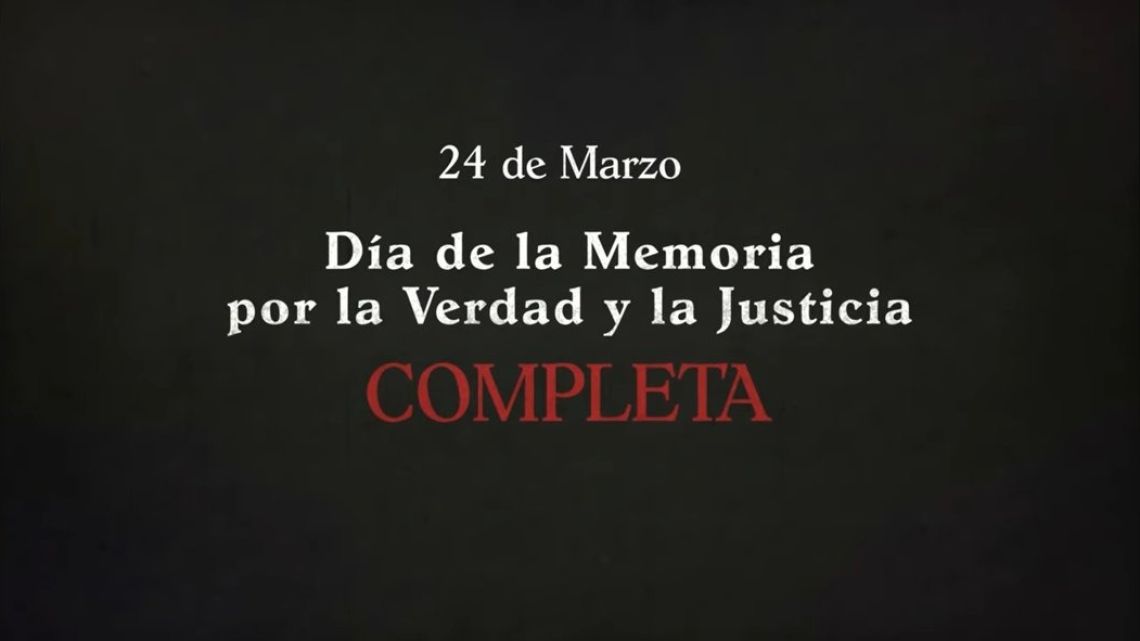
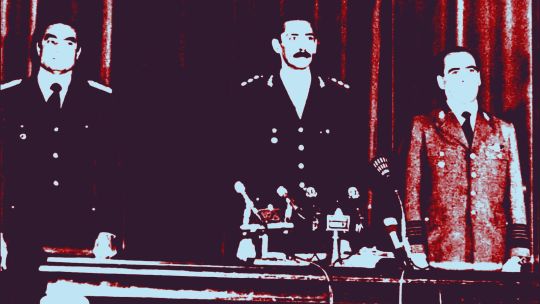
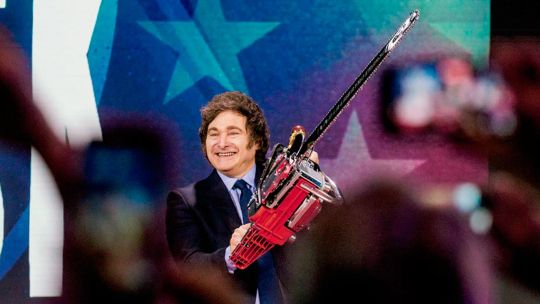
On the 50th anniversary of the March 24, 1976 coup d’état that brought Argentina’s last military dictatorship to power, President Javier Milei’s government has released a video highlighting left-wing violence and criticising the opposition Kirchnerite political movement.
Echoing its approach to last year’s anniversary, Milei’s government released a lengthy 75-minute video at 9am on Tuesday via the social media accounts of the Casa Rosada. In it, the La Libertad Avanza administration calls for “complete memory” of the junta’s time in power and the years leading up to it.
In the post announcing the video, the Casa Rosada wrote: “Day of Remembrance for Truth and Justice – Complete. Because only a society that looks at its past freely can learn from it and avoid repeating its tragedies.” The post said the video presents “two testimonies that will help understand the complete history.”
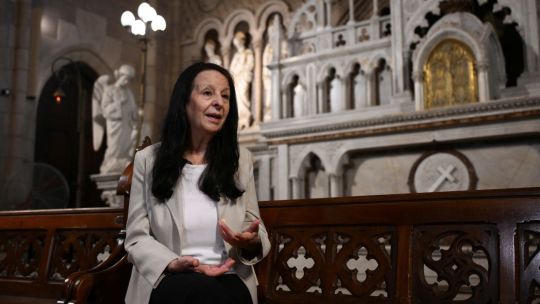
It said the first testimony, from Mirian Fernández, a daughter of disappeared parents, recounts how she was “revictimised by the national state” and forced to undergo a DNA test to determine her identity.

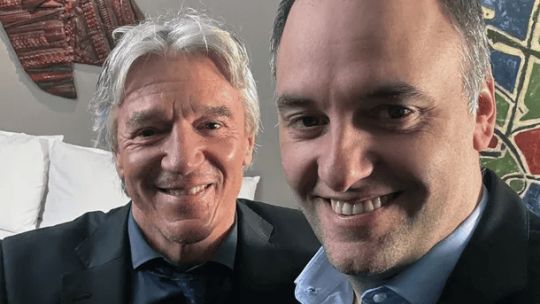
The second testimony, from Arturo C. Larrabure, recounts the kidnapping of his father, Argentino del Valle Larrabure, an Argentine Army officer kidnapped on August 11, 1974, who was held for more than a year and killed in captivity by guerrilla fighters.
The video is the latest instalment of Milei’s attempt to challenge the dominant human rights narrative surrounding the 1976–1983 dictatorship and its crimes. The concept of “complete memory” is used by the government and allied sectors to highlight violence committed by left-wing guerrilla groups in the years before the coup, equating its crimes with those perpetrated by the de facto government.
This year’s release – published hours before a large march by human rights organisations and citizens in condemnation of the dictatorship’s crimes – includes testimony from Fernández, whose identity was restored in 2017, and Larrabure, whose father was held captive for 372 days after being kidnapped by the left-wing Ejército Revolucionario del Pueblo (People’s Revolutionary Army, ERP).

Under the slogan “March 24 – Day of Remembrance for Truth and Justice – Complete,” the government reframes the historic name of the national holiday commemorating the victims of the dictatorship, observed every year since it was established as a public holiday in 2006.
“To heal as citizens we have to tell the true history. Society believed a story that was not real, it was not complete,” Fernández says at one point in the video interview.
Larrabure also recounts his father’s kidnapping. “It is the longest kidnapping in Argentina’s history,” he says in the clip, which appears to have been filmed inside the Casa Rosada. “I believe it is time to call for unity and reconciliation among Argentines,” he adds at one point.

Government officials have repeatedly argued that the legacy of the last dictatorship was politically exploited by the opposition Kirchnerite movement. They have criticised human rights policies implemented since 2003, when late former president Néstor Kirchner took office, at times dismissing them as a “human rights racket.”
Milei’s administration has also questioned the widely cited figure of 30,000 disappeared during the dictatorship, a number estimated by human rights organisations.
Every year on March 24, hundreds of thousands of people march in Buenos Aires and cities across Argentina to commemorate the victims of the dictatorship and demand justice for crimes against humanity committed by the military regime.

Argentina continues to hold trials for dictatorship-era crimes, in what is considered one of the longest-running human rights justice processes in the world.
On previous anniversaries, the government also sought to draw parallels between the state terrorism carried out during the dictatorship and attacks committed by guerrilla organisations in the years leading up to the military takeover.
– TIMES/NA/PERFIL






Comments