


Consumer prices in Argentina rose by 3.4 percent in March – the highest monthly increase in a year.
Education led March’s hikes, rising 12 percent in the month. It was followed by transport, up 4.1 percent, and housing, utilities and fuels, which rose 3.7 percent. Recreation and culture, up 3.6 percent, also outpaced the general average.
At the other end of the scale was household equipment and maintenance, up 1.3 percent, and goods and services, which rose 1.7 percent.
All other categories recorded increases of more than two percent last month.

The northeast of the country saw the highest increases, while Patagonia recorded the lowest increases, averaging 2.5 percent.
Prices have risen 9.4 percent this year to date and by 32.6 percent over the last 12 months, INDEC’s data shows.
Inflation has accelerated since last May, with monthly inflation above 2.5 percent for the past five months.

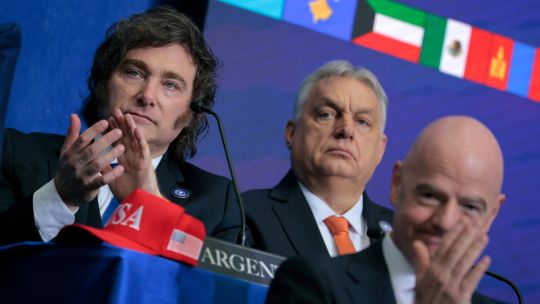
“The data is bad. We don't like the data because inflation disgusts us. However, today there are hard elements that allow us to explain what has happened and, especially, to hope that in the future inflation will return to its downward path,” wrote President Javier Milei, reacting to INDEC’s data on X.
The news is a blow for Milei, who vowed to tame runaway price hikes during campaigning for the Presidency.
He initially enjoyed great success: when Milei took office in December 2023, inflation was running at an annualised rate of 211 percent. By the end of last year, it had dropped to just 31.5 percent.

Nevertheless, lowering inflation to a single-digit monthly rate – a promise Milei said would be reality by this August – has proven difficult.
Earlier on Tuesday, the International Monetary Fund predicted an annual inflation rate of 30.5 percent – nearly double its estimate from six months ago.

Experts consulted by the Central Bank’s most recent REM market expectations survey had forecast inflation of three percent for March, with price hikes then decelerating in subsequent months. Most private consultancy firms and economists had forecast a rate of between 2.9 percent and 3.3 percent.
The REM survey forecasts annual inflation of 31.8 percent for the year.
Caputo’s reasoning
Speaking at the Rosario Stock Exchange a day before the data was released, Economy Minister Luis Caputo recognised that the figure would be above three percent.
He attributed the rise to a price "shock" associated with energy prices, following the conflict in the Middle East, and other seasonal increases in sectors such as education and transport.
March’s “Consumer Price Index (CPI) will certainly be above three percent because there was a shock that clearly had a significant impact on everything related to oil, from domestic airfares to transport costs; there are also factors such as education, which is subject to seasonal fluctuations in March,” said Caputo in an interview with economist Salvador Di Stefano.
However, the minister expressed confidence that inflation would ease in the coming months. “From April onwards, we will see a process of disinflation and growth; the best months are on the way,” he added.
Market experts tend to agree, forecasting a decline in the monthly rate from this month onwards.
Caputo repeated that assurance at the AmCham Summit in Buenos Aires on Tuesday, promising that the “next 18 to 20 months” would be the best for Argentina “for decades.”
“Inflation is a monetary phenomenon and can accelerate due to an increase in the money supply, a drop in demand, or a combination of both. As the lagged impact of last year's pre-election collapse in money demand loses strength, fiscal and monetary discipline will allow inflation to continue converging toward international levels,” he later explained in a post on social media.
Failure to tamp down inflation could damage Milei’s re-election hopes. Argentines are due to go to the polls next year for a decisive vote that could extend the libertarian's mandate and deepen his economic model.
A poll by the Zuban Córdoba consultancy firm found that 60.7 percent of respondents were against Milei’s seeking re-election, with just 29.4 percent saying they would grant him a second term in office.
The poll, based on a sample of 2,200 respondents nationwide, points to “points to a deterioration in the ruling party’s electoral standing,” said the report’s authors.
Among the reasons for rejecting Milei’s administration, respondents most frequently cited “poor economic management” (47 percent), “unfulfilled promises” (24.7 percent) and “corruption cases” (21.5 percent).
– TIMES/NA/PERFIL












Comments