

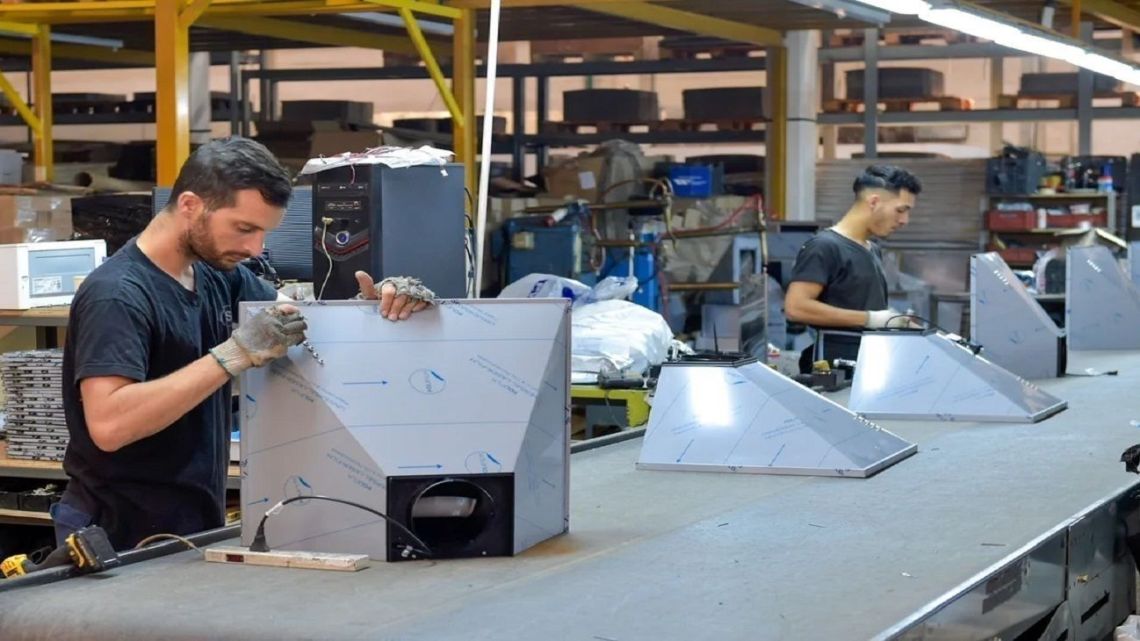
Argentina’s unemployment rate rose to 7.5 percent at the end of last year, the highest fourth-quarter reading since the Covid-19 pandemic, as job losses worsened before Javier Milei’s administration passed a historic labour reform last month.
The jobless rate in Argentina’s formal sector jumped for the first time in three quarters as informal employment held steady at about 43 percent of the employed population, according to data published by the INDEC national statistics bureau Wednesday.
Argentina’s formal private sector has lost over 200,000 salaried jobs, or about three percent of its total, since Milei took office. His administration has also cut several thousand government jobs, but the unemployment rate hasn’t jumped consistently during his tenure partly due to an increase in freelance and informal workers, according to a separate set of official data.
Milei notched his biggest legislative victory in February when Congress passed a watered-down version of his labour reform that eases the rules and costs around hiring, firing and severance, among a series of other technical changes. While markets applauded the reform, economists warn it’s unlikely to quickly translate into job gains as economic activity sputters, consumer spending remains down and labour-intensive industries are struggling to compete as Milei opens up the economy.
related news

Iran says United States, Israel struck giant gas field as war escalates

Iran’s envoy in Argentina accuses US and Israel of ‘brutal aggression’
Cristina Fernández de Kirchner goes on attack as she appears in court for ‘Cuadernos’ trial

Probe revived into ‘$LIBRA’ crypto scam creates fresh headache for Milei
by Patrick Gillespie, Bloomberg









Comments