


Argentina posted monthly inflation of 3.4 percent in March, its highest level in a year, according to official data.
Government officials attributed the spike to a global rise in fuel prices driven by the war in the Middle East.
The March figure was pushed up by transport and seasonal costs such as education, according to the INDEC national statistics bureau.
In March, “a significant impact from the war in the Middle East was recorded, in line with effects seen in other countries,” Economy Minister Luis Caputo wrote in a post on X, citing increases of “nine percent in fuels, 24 percent in domestic air fares and 22 percent in intercity transport.”

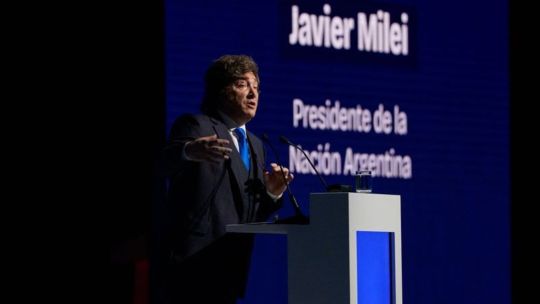
“The figure did not please me,” said President Javier Milei said at the AmCham Summit, reacting to the figure.
He insisted that once the effects of the war and seasonal increases fade, “the inflation rate will fall.”
“All we have to do is be patient, we must not despair,” he added.

During Milei’s Presidency, annual inflation has been slashed from 117 percent in 2024 to 31 percent in 2025, but the process stalled in April last year, when the index shifted course.
In his AmCham speech, Milei attributed that shift to “a fierce attack from politics” and to a currency run ahead of the October midterm elections.
Over the last 12 months, inflation totals 32.6 percent. So far this year, prices have risen by 9.4 percent.

Caputo, speaking at the same event as Milei, said on Tuesday that “inflation will receive its death certificate” in the future.
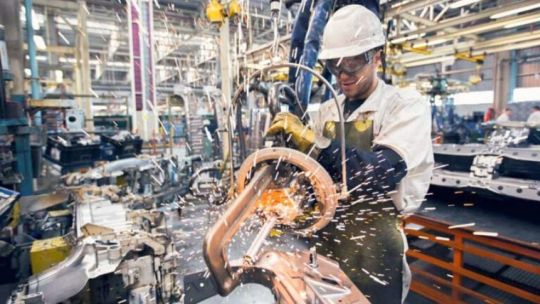
The indicator adds to other adverse signals for the government in recent weeks. Industry recorded an 8.6 percent year-on-year drop in activity in February, while labour informality reached 43 percent in the fourth quarter of 2025, according to INDEC.
The exchange rate, with a relatively strong peso against the dollar at 1,385 pesos per US dollar on the official rate, has favoured imports, which the government has encouraged through deregulation policies.

A surge in imports, mainly from China, has helped bring prices down but has also had a strong impact on the nation's productive sector.
“The chainsaw does not stop,” Milei said on Tuesday, referring to his fiscal adjustment policy.
He said he would “remove all pesos from circulation until the inflation rate collapses” and “continue opening up the economy.”

The International Monetary Fund (IMF) said on Tuesday that Argentina will moderate its 2025 growth (4.4 percent), projecting 3.5 percent this year and four percent next year, largely due to a slowdown in economic activity in the second half of 2025.
The multilateral lender also expects the disinflation process in Argentina to continue, but in a “somewhat more gradual” manner than previously forecast.
The IMF had placed its inflation expectation for this year at 16.4 percent, but has now almost doubled it to 30.4 percent.
– TIMES/AFP








Comments