

The date of the start of the 2026 World Cup is circled on Argentina's political calendar.
Within the government, it is seen as an event capable of monopolising public attention and providing a temporary respite from the pressures of governance. The opposition Peronist movement is also treating it as a key marker – not because it intends to capitalise on the tournament itself, but because of what comes afterwards.
The thinking is that once the competition ends, a new phase will begin for the opposition, one in which it will need to show more clearly who is capable of representing an alternative to the government at the ballot-box in 2027.
The debate is a significant one. Within a movement still trying to regroup after its 2023 electoral defeat, leading figures agree that it must rebuild political weight, establish new leadership figures and reconnect with a public that continues to view much of the political establishment with scepticism.

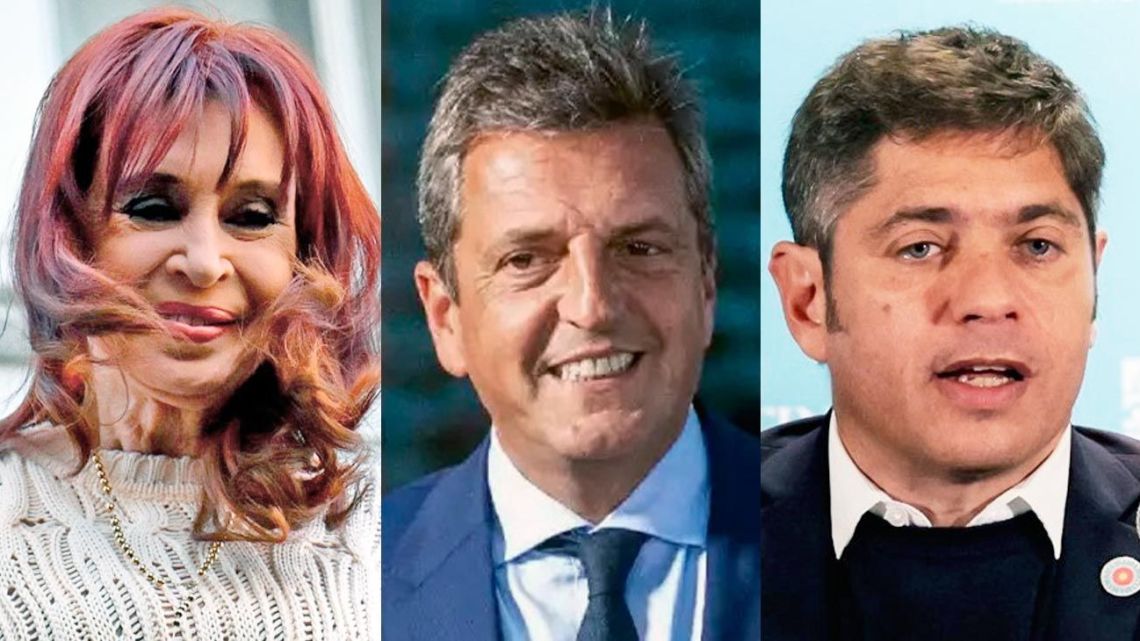
In that context, Kicillof has emerged as one of the prominent names.
Axel

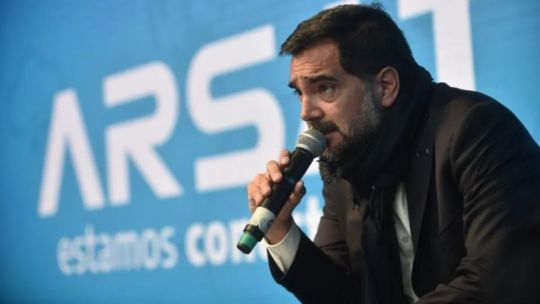
The Buenos Aires Province governor continues to build support without formally declaring his candidacy. Around him, a series of policy and political working groups are developing proposals and alliances as he continues his strategy of nationwide travel. Visits to provinces such as Córdoba, with Corrientes next on the agenda, form part of that effort to demonstrate a national presence and strengthen his political profile.
However, officials in La Plata insist that Kicillof is neither a candidate nor a pre-candidate at present. The explanation has several layers. On the one hand, the governor must still navigate ongoing tensions with Kirchnerism and with ex-president Cristina Fernández de Kirchner herself. On the other, he is seeking to avoid having his broader political project reduced to a debate over personalities.
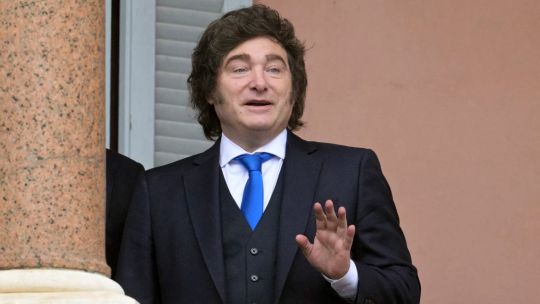
For that reason, the governor frequently stresses that he will not place personal ambition ahead of collective construction. Kicillof's message is that if a better-positioned candidate emerges to challenge President Javier Milei, he will not stand in the way.

Regarding the debate over who should lead the opposition, his allies reject the idea of a hand-picked successor emerging. "Axel has to be the people's candidate, not the politicians' candidate," they argue, seeking to distinguish his project from traditional backroom political negotiations.
Kicillof is convinced of the need to broaden the Peronist coalition. "The people we had with us in 2023 are not enough,” says sources close to him.
The remark reflects a belief shared by other figures in the opposition: if Peronism is to return to power, it must expand its support base. It reflects a key strategic objective for the opposition Unión por la Patria coalition – winning outright in the first round to avoid facing a united anti-Peronist bloc in a run-off.
Sergio
Sergio Massa is also positioning himself for 2027, although he has yet to re-emerge as a public figure after his loss in the 2023 run-off to Javier Milei.
Unlike some rivals, Massa does not need to introduce himself to voters. The former economy minister remains one of Peronism's key reference points.
Massa agrees with Kicillof on the need to broaden the coalition; his allies note that he finished just three points short of a first-round victory in 2023. However, they also argue that it is not yet time to bring new allies formally into the fold.
The Frente Renovador leader believes that many figures currently watching from the sidelines could become involved if they start to see a realistic path back to power for Peronism and signs of wear and tear within the government.
Conversations are taking place, but Massa is not yet demanding commitments. After the World Cup, he is expected to return to the political stage and take on a more active role. Throughout 2026, he is likely to reappear, raising his profile, with the intention of mounting another challenge.
For several other figures – such as Senator Sergio Uñac, the former governor of San Juan Province – the challenge is different: raising their profile nationally.
From that perspective, the debate over candidacies cannot be delayed indefinitely. Uñac has already argued that internal competition mechanisms should be discussed this year, particularly given the uncertainty surrounding the future of the PASO primary elections.
No-one knows whether the government will secure enough votes in Congress to abolish them, and that uncertainty is also shaping opposition strategy.
Cristina
And what about Cristina Fernández de Kirchner?
Inside the Instituto Patria think tank, there is also a belief that a leader will step to the fore. "Something will definitely emerge between the World Cup and the end of the year," one source said.
Those who remain in contact with Fernández de Kirchner, the chair of the national Partido Justicialista (PJ), insist there is currently no hand-picked Kirchnerite candidate of her own, nor do they foresee a major internal battle in which her backers fields a separate contender.
"She will support whoever polls best," allies of the former president say. Asked whether that logic could also apply to Kicillof, they point to the pragmatism Cistina Fernández de Kirchner has shown in the past when it comes to selecting candidates.
The allies add a caveat, however: "It won't be easy for him either. He'll have to earn his place."
Privately, that observation is often accompanied by criticism of the governor. "Kicillof is doing exactly the opposite," they say, without needing to point out that there is currently no dialogue between the provincial governor and the two-time president. Nor is there any contact with Máximo Kirchner.
For now, no visits are planned to San José 1111, where Fernández de Kirchner is serving out her jail term house arrest. Kicillof’s only visit since her confinement reportedly ended badly.
There are even fewer signs of a political negotiating table capable of resolving the leadership question in the near future.
Massa will seek to show that he remains a competitive option. Kicillof will continue his national tours and political organisation without formally launching a campaign. Other figures will try to increase their visibility and build their own support networks.
Among them, some already include Juan Grabois in the race. Another frequently mentioned name is former Santiago del Estero governor Gerardo Zamora – today, Zamora insists he is not a presidential candidate and says that, if he had to decide now, he would not run.
He remains cautious, knowing the next head of state will face enormous challenges. Rather than offering attractive promises, the next campaign is likely to revolve around the difficult reality awaiting whoever governs Argentina after 2027.
The clock on the race for 2027 will start ticking – once the World Cup is over.






Comments